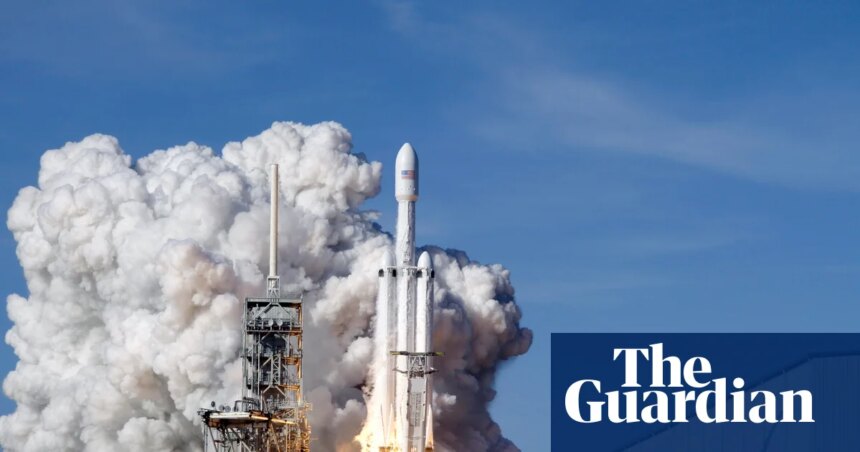
Shares of Elon Musk’s SpaceX are set for what is being labeled the largest stock market launch in history, with a valuation projected at $135 per share. The company plans to offer 555.6 million shares, anticipating a substantial capital raise of $75 billion from the offering.
On June 12, the shares will be officially listed on the Nasdaq in New York. Investors may find themselves holding SpaceX shares even if they do not directly buy into the IPO, due to recent rule changes in certain markets, including Nasdaq. This potential for inclusion in index tracker funds could facilitate broader access to SpaceX shares among investors.
In the UK, several investment trusts, such as Edinburgh Worldwide and Baillie Gifford US Growth, already have stakes in SpaceX. For individual investors interested in purchasing shares, several platforms are available. In the UK, investors can use brokers like AJ Bell and Hargreaves Lansdown, while in the US, options include Charles Schwab, Fidelity, Robinhood, SoFi Technologies, and E*Trade.
On June 11, SpaceX will set the official share price based on investor interest, with some experts noting that minimum subscriptions typically start around £1,000. The applications for shares will close the following Wednesday, leaving ample time for potential investors to express interest.
One key issue investors face is whether they will receive the number of shares they desire. In the event of an oversubscribed IPO, where demand outstrips supply, allocation procedures may vary, potentially leading to partial distributions based on the amounts requested. For instance, if an investor applies for £5,000 worth of shares, they might receive their first £1,000 in full and only a percentage of additional amounts.
Once shares are listed, investors can purchase them at any time, although the volatility of stock prices presents both risks and opportunities. Initial investors are hopeful for a price surge post-IPO, but potential declines should also be considered.
Despite the allure of owning part of SpaceX, it’s important to note that even large investors will lack significant influence over the company’s operations. Musk is retaining 82.4% of the voting power, which means he will maintain control over key decisions.
For those contemplating whether to invest, opinions vary. While buying shares offers a chance to be part of an iconic company, analysts like Nils Pratley suggest that the IPO pricing could reflect an overvaluation of SpaceX. There are growth prospects, particularly regarding government contracts and the development of the Starship, which could enhance the company’s capabilities.
However, potential risks abound, including launch failures, regulatory changes, competitive pressures, and Musk’s unpredictable public persona, which could negatively impact the company’s reputation. The concentrated power of Musk within corporate governance adds another layer of risk for shareholders.
Experts recommend that if you decide to invest, it may be prudent to limit your exposure by allocating a smaller amount of your portfolio to this IPO, especially if you aim to hedge against volatility. The initial demand from index funds might provide short-term gains, but it would be wise to consider taking profits should significant increases occur before insiders are allowed to sell their holdings.