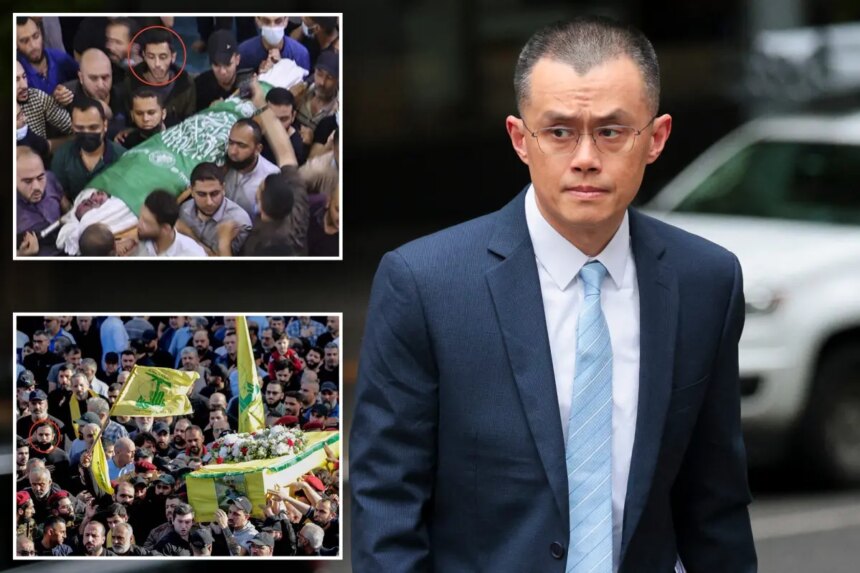
Families of victims of the Oct. 7, 2023, attack by Hamas on Israel filed a lawsuit against Binance, claiming that the cryptocurrency trading platform and its founder, Changpeng Zhao, facilitated the transfer of over $1 billion to terror groups involved in the assault. The lawsuit, which encompasses 306 plaintiffs and their family members affected by the attack and subsequent terrorist acts, was initiated in federal court in Fargo, ND.
Despite previous criminal enforcement actions by the Department of Justice, resulting in Binance admitting to money laundering and imposing a hefty fine exceeding $4 billion, the plaintiffs contend that the company’s actions were far more significant than disclosed in those previous proceedings. They allege that Binance knowingly engaged in transactions worth over $1 billion linked to foreign terrorist organizations, including Hamas and Hezbollah, among others.
The lawsuit alleges that Binance has failed to alter its operational practices in any meaningful way since the government’s actions, arguing that the platform was designed to facilitate illicit activities, including widespread money laundering.
Specific accounts mentioned in the complaint include that of Ali Mohammad Alawieh, the son of a Hezbollah commander, as well as accounts belonging to individuals linked to Hamas exchange houses and other terrorist entities. The lawsuit details how funds were related to illicit activities, such as gold smuggling operations linked to South American criminal networks.
Attorneys representing the victims’ families contend that Binance implemented systems intended to evade regulation, enabling it to facilitate substantial financial transactions for sanctioned groups. They assert that the platform became a conduit for funding violent acts, including murder and terrorism, emphasizing the need for accountability and the demand for justice on behalf of the victims.
In addition to Zhao, who remains a major shareholder of Binance despite facing legal repercussions, the suit also names senior executive Gunagying “Heina” Chen. Allegations include facilitating transactions through U.S. IP addresses associated with Hamas, underscoring claims that the company’s practices contributed to the enabling of terrorist financing.
Former government official Lee Wolosky, now representing the plaintiffs, stated that the evidence presented makes it clear that Binance has significant liability in connection with the tragic events of October 7. He argued that prioritizing revenue over necessary counter-terrorism measures warrants accountability.
The lawsuit seeks compensatory damages, as well as treble damages for those impacted by acts of terrorism. Zhao received a presidential pardon in October, which has drawn attention to the ongoing legal challenges faced by Binance. White House press secretary Karoline Leavitt acknowledged the clemency, citing the previous government’s stance on cryptocurrency enforcement.
The civil suit includes assertions from earlier reports indicating Binance’s disregard for effective money laundering controls, with former executives reportedly aware that criminal activities were prevalent on the platform. Despite the ongoing litigation, a Binance spokesperson expressed the company’s adherence to international sanctions laws, insisting that cryptocurrency is not widely utilized by terrorist organizations.
The families impacted by the October 7 tragedy continue to seek justice, aiming to hold Binance accountable for its alleged role in facilitating financial transactions to terrorist groups.