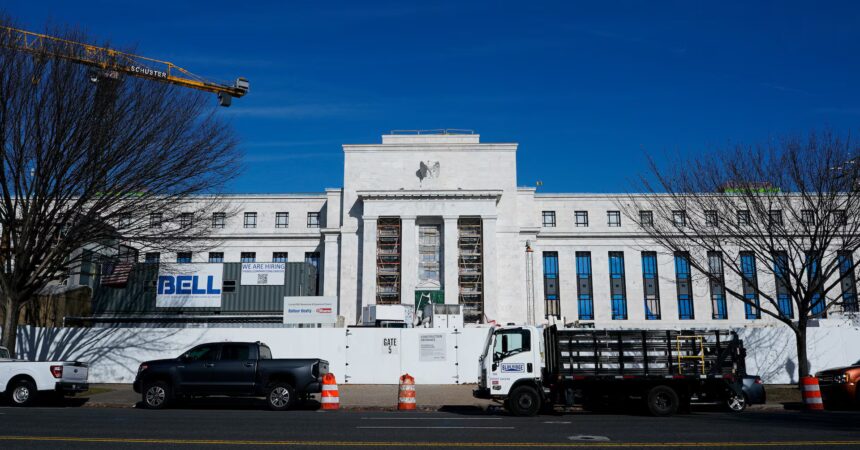
The minutes from the Federal Reserve’s meeting on October 28-29 reveal a noteworthy division among policymakers regarding interest rate cuts, amidst ongoing concerns about inflation remaining above the targeted 2% for over four years. The Fed ultimately decided to reduce the benchmark interest rate by a quarter percentage point, setting the new range at 3.75%-4.00%. However, the decision was not unanimous, as the voting members split 10-2, showcasing contrasting views on monetary policy—some argued for tighter policies while others favored looser ones.
Many participants expressed willingness to lower the federal funds rate, though some would have preferred to maintain the current rates. On the other hand, a notable number of officials raised alarms about the stagnation in progress toward the inflation target and potential long-term implications if inflation did not subside swiftly. They emphasized that further rate reductions could risk entrenching higher inflation levels or send the wrong signal about the Fed’s commitment to its inflation objectives.
The release of the meeting minutes prompted a minor retreat in U.S. stock gains, as traders adjusted their expectations regarding a possible rate cut in December, now estimating only a 25% chance of such an outcome. This shift reflects wider market sentiment influenced by political commentary, including remarks from President Donald Trump, who expressed dissatisfaction with Fed Chair Jerome Powell, suggesting a desire to expedite rate cuts.
The backdrop of the government shutdown complicated the Fed’s discussions, as the lack of official data made it challenging for policymakers to form a comprehensive view of the economic landscape. The minutes indicated that officials were split into three groups regarding the appropriateness of a December cut, with a mix of opinions on whether immediate action was necessary or appropriate given the existing economic uncertainties.
Powell, during a press briefing, cautioned that a rate cut in December was not a certainty, noting a growing consensus among some members to adopt a wait-and-see approach. The complexity of the discussions was heightened by concerns of potential volatility in equity markets, partly attributed to fluctuations surrounding investments in technology and artificial intelligence.
As a result of the Fed’s divided opinions and the ongoing lack of data, investors have scaled back previous strong predictions for a December rate cut, reflecting a cautious approach as market participants navigate the evolving economic environment.