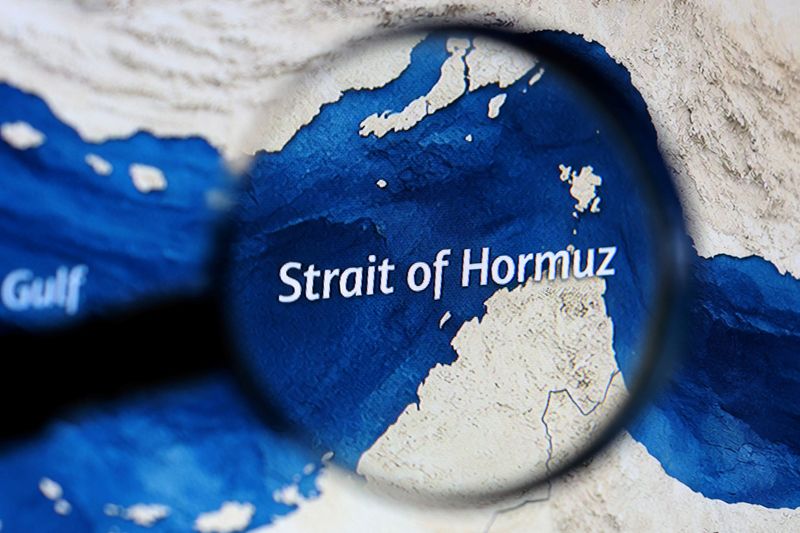
A warning from the Greek maritime risk management firm MARISKS has brought attention to fraudulent communications targeting shipping companies, particularly those with vessels stranded west of the Strait of Hormuz. These messages, allegedly from Iranian authorities, claim to offer safe passage in exchange for cryptocurrency payments, specifically Bitcoin or Tether.
As the geopolitical situation remains tense, with the U.S. maintaining its blockade of Iranian ports, Iran has fluctuated between lifting and re-imposing its own blockade of the critical waterway. The Strait of Hormuz is a vital transit point for approximately 20% of the world’s oil and liquefied natural gas shipments, making the ongoing conflict in the region particularly concerning for global energy supplies.
In recent developments focused on ceasefire discussions, Iranian authorities have indicated a proposal for tolls on vessels to navigate through the strait securely. However, MARISKS has clarified that the messages circulating among shipping firms are fraudulent and not sanctioned by any Iranian official entities. There has been no immediate response from Tehran regarding these allegations.
The consequences of the ongoing turmoil are evident, as hundreds of ships and about 20,000 sailors remain stranded in the Gulf. Reports indicate that on April 18, during a temporary opening of the strait, vessels attempted to navigate the area but encountered significant danger. At least two ships, including a tanker, reported that they were fired upon by Iranian boats, compelling them to retreat.
MARISKS has suggested that at least one of the vessels that attempted to exit the strait and was met with gunfire may have fallen victim to the scam. The fraudulent message indicated that after providing necessary documentation for eligibility checks by Iranian Security Services, shipping companies would be informed of a fee required for cryptocurrency payment, which would supposedly allow their vessels to transit freely at a scheduled time.
No information is currently available to substantiate the identities of the companies targeted by these deceptive communications. The situation in the Strait of Hormuz continues to evolve, and the risks for maritime shipping in the region remain acute.