In recent discussions surrounding the potential government bailout of Spirit Airlines, a budget carrier teetering on the brink of liquidation, stakeholders are increasingly concerned about the broader implications for the airline industry. If the bailout materializes, it could result in the government acquiring a 90% stake in Spirit, sparking conversations about support for other budget airlines facing similar challenges.
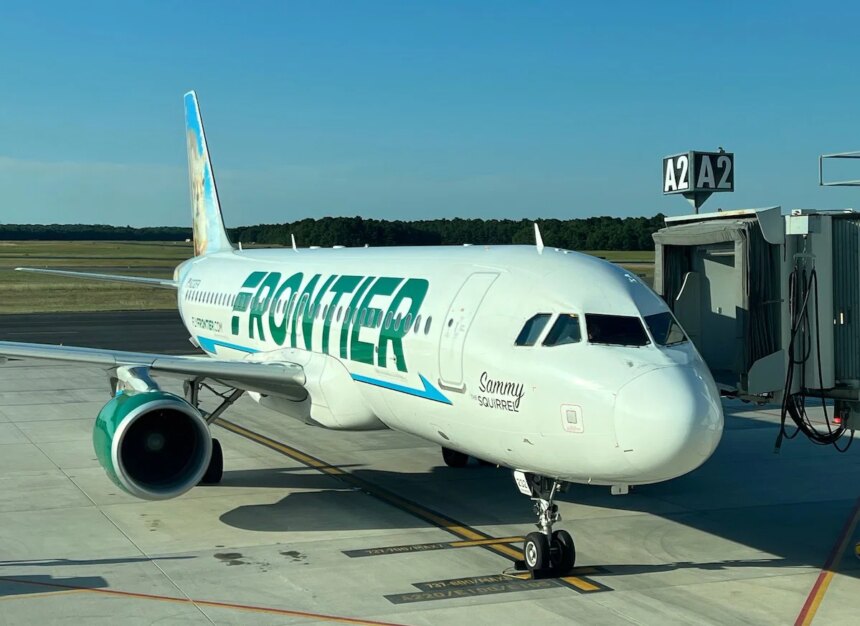
A meeting held on April 21, 2026, included executives from several budget airlines, such as Frontier and Avelo, alongside Transportation Secretary Sean Duffy and FAA Administrator Bryan Bedford. The primary focus of this gathering was a request for an estimated $2.5 billion aid package. This figure corresponds to the additional costs these airlines expect to incur on jet fuel in light of soaring prices projected to remain above $4 per gallon.
This proposed financial assistance may come in the form of warrants, which could eventually convert into equity stakes in the airlines seeking relief. As discussions continue, industry leaders are grappling with the fallout from sustained high fuel costs, exacerbated by ongoing geopolitical tensions that have significantly impacted operational expenses.
Budget airlines, which typically cater to price-sensitive consumers, are finding it particularly challenging to adjust fares, unlike larger carriers that have been able to raise prices effectively. The situation is further complicated by Spirit’s long-standing financial instability; the airline has faced Chapter 11 bankruptcy twice before the recent oil price hikes, raising concerns about its long-term viability even with governmental support.
Critics argue that bailing out Spirit exclusively may not benefit competition within the sector. There’s skepticism over whether support would actually lead to a strengthening of the low-cost carrier market, especially if the government’s intent, as suggested by former President Trump, is to eventually sell the airline to a larger carrier. This raises questions about the future of competition among ultra-low-cost options.
Moreover, the notion of nationalizing a segment of the airline industry, with the government potentially prioritizing certain airlines over others, is contentious. Many are questioning why Spirit should receive assistance when numerous airlines are also struggling financially. This creates an ethical dilemma about the fairness and implications of selective bailouts.
Historically, during the onset of the pandemic, airlines received $54 billion in government aid through the CARES Act. However, the current landscape is uneven; while Delta and United seem to be recovering, budget carriers like Spirit are grappling with significant losses, leading to debates about the criteria for financial support.
The crux of the issue lies in balancing the urgent need for financial lifelines to ensure the viability of budget airlines against the potential pitfalls of extensive government ownership in a sector known for its fierce competitiveness. If the proposed support does not materialize, the industry could see an increase in bankruptcies and liquidations, negatively impacting consumers who rely on affordable air travel.
In summary, while the crisis among low-cost carriers presents a dire situation necessitating action, the prospect of extensive government intervention raises several questions about the future structure of the airline industry. The ongoing conversations in Washington may set a precedent for how the industry navigates these turbulent times and redefine the role of government in private enterprises. As the situation evolves, the aviation industry and consumers alike will be watching closely to see how these discussions play out and what the ultimate ramifications will be for budget airlines in the United States.