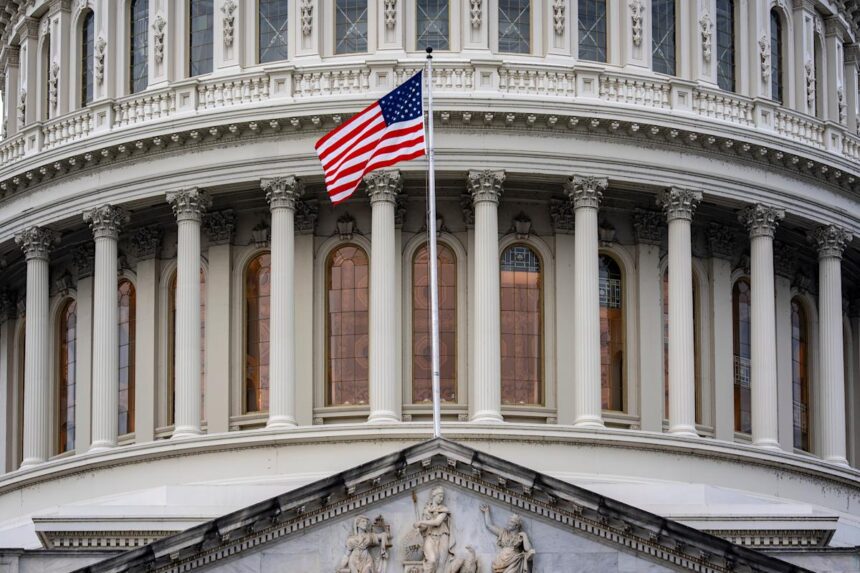
The ongoing government shutdown is set to have significant repercussions for crucial federal data-gathering activities, most notably delaying the much-anticipated jobs report originally scheduled for release on Friday. This “employment situation” report is pivotal for gauging economic health, providing insights into the unemployment rate and the number of new jobs created in the preceding month. Investors and policymakers watch these numbers closely, especially in light of the current cooling trends in the labor market.
A contingency plan issued by the U.S. Department of Labor indicated that the Bureau of Labor Statistics would halt all operations during a government shutdown, meaning the jobs report will not be published unless the shutdown is resolved quickly. With every passing day, anticipation builds for the release of September’s employment data, which has already been collected and merely awaits publication.
Oxford Economics’ chief U.S. economist Ryan Sweet emphasized the inopportune timing of the shutdown, especially as the Federal Reserve, which cut interest rates in September, is carefully observing labor market trends ahead of its next meeting later in October. He noted that the Fed often navigates monetary policy in a “data fog,” which only intensifies without the employment figures.
The shutdown might also delay other important economic indicators, including September’s inflation data, due for release on October 15, which could in turn affect the 2026 cost-of-living adjustment (COLA) for Social Security benefits. Future reports for October’s job figures and inflation data, set to be disclosed on November 6 and November 10, respectively, could also face delays if data collection is disrupted.
Bank of America Securities’ senior economist Stephen Juneau found the potential losses of time in data collection concerning. Drawing parallels to the 16-day government shutdown in 2013, he noted that jobs and inflation data were delayed for two consecutive months, with October data pushed back by about two weeks and November data delayed by roughly one week. He added, however, that even with a two-week delay this time, the Fed would still have a chance to review the jobs report before its upcoming meeting.
While historical data suggests that the quality of data remains largely unaffected during such shutdowns—indicating normal response rates from the Bureau of Labor Statistics—the perfect substitute for the deeply anticipated jobs report does not exist, according to Sweet.
The potential delay in inflation data could also complicate matters for next year’s Social Security COLA, which is determined by averaging inflation data for the third quarter. The Social Security Administration is expected to announce the 2026 COLA in mid-October, yet uncertainty looms for the tens of millions who depend on this adjustment to keep pace with rising living costs. Current projections suggest the COLA could be around 2.7%, slightly above this year’s 2.5% increase.
In a situation where the shutdown persists, the Social Security Administration might resort to using the most recent values for their calculations. Discussions regarding past shutdowns point out that while the announcement of the COLA might face delays, the calculation method itself remains intact.
As the situation unfolds, experts and beneficiaries alike will be eagerly monitoring the developments surrounding the jobs report and inflation data, all while wondering how the prolonged shutdown might redefine economic forecasts and affect millions of Americans relying on timely information for financial planning.