In the past few months, Gulf stock markets have demonstrated significant upward momentum, attributed to rising crude oil prices and speculation surrounding possible U.S. interest rate cuts. This has led to a more optimistic investor sentiment across the region. As the economic landscape evolves, investors are increasingly focused on identifying companies that showcase resilience and promising growth potential in the face of fluctuating monetary policies and fiscal conditions.
A closer look at various companies reveals a range of performances across key financial metrics such as debt-to-equity ratios, revenue growth, and earnings growth. Among the standout firms is Mendelson Infrastructures & Industries, which boasts a manageable debt-to-equity ratio of 17.65% alongside a revenue and earnings growth of 4.48% and 4.46%, respectively, earning it a health rating of ★★★★★★.
Other noteworthy mentions include Y.D. More Investments, which has a higher debt-to-equity ratio of 51.67% but remarkable growth rates—revenue growth at 27.49% and earnings growth at 36.12%, also securing a ★★★★★★ health rating. Conversely, companies like Qassim Cement and Baazeem Trading reflect a more challenging landscape, with Qassim showing a significant drop in earnings growth by -11.40% despite a revenue growth of 4.02%.
LDR Turizm A.S., specializing in long-term car rentals in Turkey, has captured attention with an exceptional earnings growth of 542.4% over the past year, far exceeding the transportation industry’s decline of -8.7%. The company, which has seen its debt-to-equity ratio plummet from 316% to 23.1% over five years, shows potential despite recent negative free cash flow. Its latest earnings report revealed a substantial rise in net income.
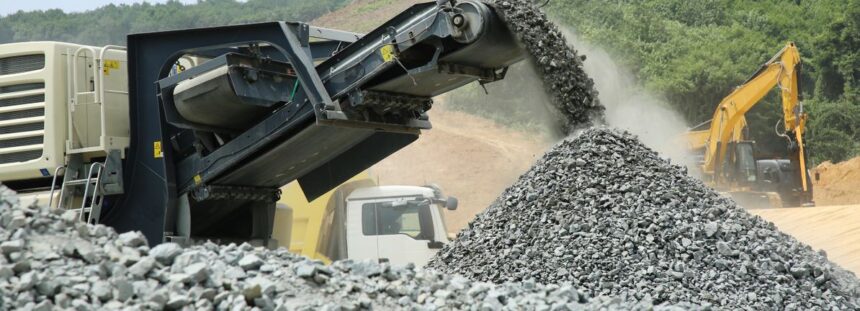
Another player, YAMAMA Cement Company, engaged in the cement manufacturing sector in Saudi Arabia, has shown both promise and pressure. Although its sales increased from SAR 285.18 million to SAR 311.77 million, net income fell sharply, indicating challenges within a competitive landscape. Free cash flow remains negative, necessitating careful attention to its financial health moving forward.
In the energy sector, Ratio Energies has demonstrated resilience despite inconsistent performance metrics. The company reported a decline in revenue and net income year-on-year but has successfully reduced its debt-to-equity ratio from 444% to 114% over five years. With a market cap of ₪4.92 billion, Ratio maintains interest payment coverage and navigation through industry pressures effectively.
Investors keen on identifying strong performers within Gulf markets may find these companies noteworthy, especially as they adapt to changing economic conditions and investor expectations. While the outlook remains cautiously optimistic, continuous monitoring of these financial indicators will be crucial for assessing their future trajectories.