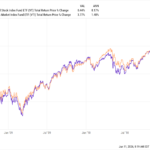
Asset management firm Hashdex has announced the expansion of its Crypto Index US exchange-traded fund (ETF), now incorporating three additional cryptocurrencies: XRP, Solana (SOL), and Stellar. This update follows a recent change in the generic listing rules established by the Securities and Exchange Commission (SEC).
The enhanced ETF, which is traded on the Nasdaq stock exchange under the ticker symbol NCIQ, now encompasses five cryptocurrencies: Bitcoin, Ether, XRP, SOL, and Stellar. This strategic move comes as the SEC’s new generic listing standards, approved in September, aim to expedite the approval process for ETFs that meet certain criteria.
To qualify under these new standards, a cryptocurrency must be classified as a commodity or offer futures contracts on reputable exchanges. Furthermore, eligible cryptocurrencies need to be monitored under the financial surveillance umbrella provided by the US Intermarket Surveillance Group. These developments have drawn attention from market analysts and industry executives, who foresee a wave of new crypto ETF filings that could offer stock market investors greater access to the burgeoning cryptocurrency sector while bridging the gap between traditional finance and digital assets.
In a related advancement, the SEC has also greenlit the Grayscale Digital Large Cap Fund, marking it as the first US multi-asset crypto ETF. This fund includes Bitcoin, Ether, XRP, SOL, and Cardano, illustrating a growing acceptance and integration of various cryptocurrencies into mainstream financial products.
SEC Chair Paul Atkins has been a pivotal figure in these advancements, advocating for a streamlined approval process for crypto ETFs as part of a broader initiative aimed at modernizing the financial framework for digital finance. Recently, Atkins proposed an “innovation exemption” that would create a regulatory sandbox, allowing crypto firms to explore new technologies without the immediate threat of regulatory enforcement.
Under the current administration, the SEC has articulated several policy proposals aimed at easing the regulatory pressures on cryptocurrency businesses. These include an end to the practice of regulation by enforcement, developing comprehensive market structure rules specifically for digital assets, and establishing a framework for classifying many cryptocurrencies as commodities. This approach marks a notable shift from the SEC’s stance under the previous administration, aiming to cultivate an environment more conducive to innovation within the cryptocurrency space.