The recent decline in enrollment numbers for health insurance under the Affordable Care Act (ACA) has raised alarms among health officials in Massachusetts and beyond. Audrey Morse Gasteier, executive director of the Health Connector, expressed deep concern over the situation, noting that this year’s drop in enrollment is unprecedented outside the pandemic period.
Nationally, approximately 1.2 million fewer individuals enrolled in the ACA compared to the previous year. According to a survey conducted by the Health Connector, cost emerged as the predominant reason for individuals going without insurance. Respondents faced dual challenges: premiums that saw an increase between 7% and 12% and significant alterations to federal subsidies that had previously made obtaining health insurance feasible for many.
In Massachusetts, around 60,000 residents lost their subsidies altogether this year, while hundreds of thousands more saw a reduction in their financial assistance. Alarmingly, the survey highlighted that younger and lower-income individuals were more likely to forego insurance. Approximately 70% of respondents aged 18 to 25 and about 66% of those living below the federal poverty line reported being uninsured.
These developments are particularly troubling for Gasteier, who stated that efforts had been made to successfully include these demographics in health coverage. “Younger people and lower-income people were among the core constituencies the Commonwealth did the most work to bring into the ranks of coverage,” she noted. “Seeing those populations lose those gains that we’ve worked so hard to make is troubling.”
Noncitizen immigrants with legal status and incomes below the federal poverty level are also suffering under the new changes, with around 66% in this demographic reporting that they lack insurance. Health experts and economists warn that an increase in uninsured individuals could have far-reaching consequences. Younger individuals typically require less healthcare, so their absence from the insurance pool could lead to rising costs for those who remain insured. Jonathan Gruber, an MIT economist, emphasized that the current trend would likely contribute to an increase in premiums, which are projected to rise by nearly 13% in Massachusetts by 2027. Blue Cross Blue Shield, the state’s largest insurer, forecasts premiums may jump by over 15%.
“The dynamics that contribute to high premiums seem unlikely to change,” said Mike Guerriere, chief actuary for Blue Cross Blue Shield of Massachusetts. These challenges may soon be compounded by new federal changes to the Medicaid program, which could see hundreds of thousands in Massachusetts losing access to coverage due to newly implemented work requirements and eligibility checks.
The expiration of expanded ACA subsidies last year was at the center of a contentious debate in Congress, contributing to the longest government shutdown in history. Many families are now forced to grapple with tragic choices about their healthcare. Kelley Kassa, a 56-year-old from Watertown with diabetes, exemplifies this dilemma. Last year’s premium was $357 per month, but this year it has soared to around $1,000. With exorbitant out-of-pocket expenses looming, Kassa found herself questioning whether she could afford both her medication and health coverage.
Statements from the Trump administration suggest that the decline in enrollment is a result of filtering out undocumented immigrants. However, experts argue that many of those who lost coverage relied on subsidies for their access to health insurance. “The administration’s efforts were designed to take people off health insurance,” noted Gruber.
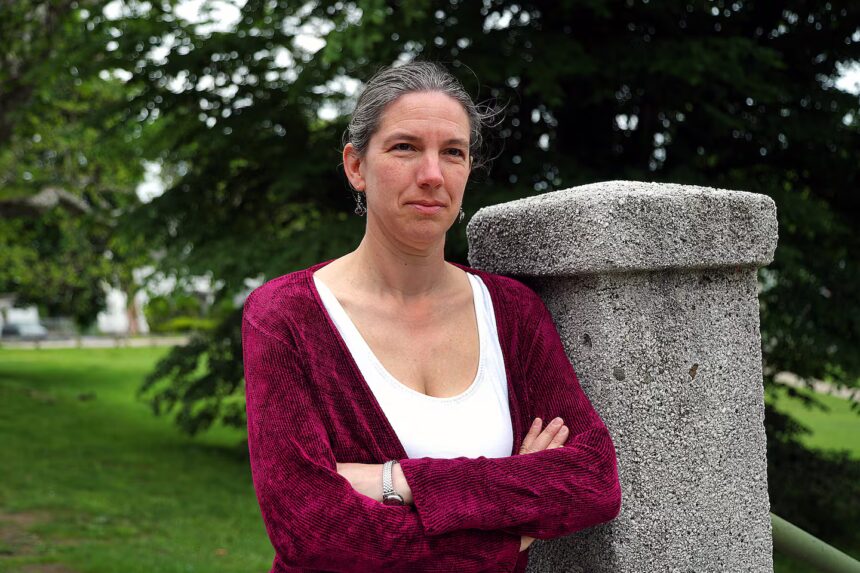
For families affected by these changes, going without insurance has serious repercussions, not only for their health but also for their financial security. Zoe Sherman, a former university professor, shared her struggles navigating the coverage landscape for her family. Following an alarming renewal notice that highlighted substantial increases in premiums and reductions in benefits, Sherman faced uncertainty about how she would afford insurance going forward.
As the landscape of health coverage shifts, individuals and families find themselves grappling with the daunting reality of increased premiums and the threat of losing crucial financial assistance, leaving many unsure of their next steps in securing adequate healthcare.