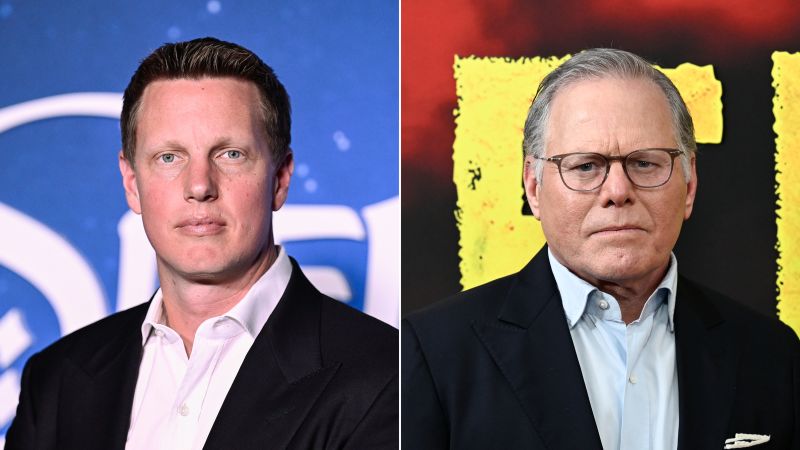
The ongoing struggle for control over Warner Bros. Discovery (WBD) has escalated into a dramatic corporate showdown involving two prominent figures in the entertainment industry: David Zaslav, the CEO of WBD, and David Ellison, the CEO of Paramount Skydance. The fate of major assets such as Warner Bros. and HBO is now at the center of a fierce bidding war.
Zaslav has reportedly agreed to a sale of WBD to Netflix, a move Ellison vehemently opposes. The rivalry between the two has given rise to not only corporate maneuvering but also a series of heated exchanges through allies. One associate of Zaslav recently dismissed Ellison’s tactics as akin to a “temper tantrum,” while someone close to Ellison retorted that Zaslav and Netflix would soon realize the gravity of the situation.
Market analysts are speculating that Paramount may soon elevate its bid to secure a more strategic position against Zaslav and Netflix co-CEO Ted Sarandos. Ellison, also navigating his new role as CEO of Paramount Skydance after merging his smaller production company with Paramount, presented an initial offer of $19 per share to Zaslav. This bid emerged just after WBD shares had been trading at about $12.
Rejecting Ellison’s first overture, Zaslav indicated that WBD would follow through with its plan to split into two independent entities, segregating CNN and other channels under Discovery Global while maintaining Warner Bros. and HBO Max under the WBD name.
However, Ellison quickly returned to the negotiating table with an increased offering of $22 per share, including a proposal that Zaslav could retain a significant role in the newly merged organization, aiming to flatter the CEO’s ego in the process.
The generational divide between the two Davids is notable; Ellison is 42, while Zaslav is 65. This age difference plays into the power dynamics of their interactions. Ellison’s father, Larry Ellison, a significant stakeholder in Paramount, has been actively involved in discussions, leveraging his financial backing and connections, including a close relationship with former President Trump, which some believe could ease any regulatory scrutiny.
As October unfolded, tensions intensified, particularly when Paramount’s board recognized that Zaslav was not responding promptly during the bidding process. With a series of proposals exchanged over 12 weeks, Zaslav appeared to be playing the game cautiously, evading significant commitments.
In a notable encounter at an awards dinner on October 31, Zaslav and Ellison maintained a distance from each other, despite being just tables apart. While Zaslav publicly commended Sarandos, Ellison went unrecognized, signaling a distancing effect in their ongoing rivalry.
By mid-November, Paramount upped its offer to $25.50 per share. A dinner meeting on November 24 between Zaslav and both Ellison and his father addressed Paramount’s ambition for larger market stature and hinted at Zaslav’s potential involvement. Amidst the escalating back-and-forth, WBD’s board faced pressure as they began to sense a preference toward Netflix’s interest in acquiring WBD assets over Paramount’s bid.
When the auction heated up further, Paramount’s lawyers circulated a letter criticizing WBD for allegedly favoring Netflix in a “non-fair transaction process.” Ellison remained in continuous contact with Zaslav, articulating the confidence he held in Paramount’s recent proposal.
On December 4, Ellison’s bid rebounded to $30 per share; however, Zaslav’s board opted for Netflix’s offer of $27.75 per share, which excluded the Discovery Global assets that would be valued separately.
As pressure mounted and sensing a possible deal nearing completion with Netflix, Ellison attempted to communicate once more with Zaslav, stressing Paramount’s willingness to maintain negotiations with a more appealing offer.
With Netflix soon afterward announcing a deal for WBD’s assets, Ellison transitioned the battle into a different gear by announcing a hostile takeover bid. He voiced concerns about WBD’s bias against Paramount and expressed frustration over the lack of communication regarding his previous bids.
“I think that actually starts you off on a potentially bad foot when you’re making an unsolicited bid for a company,” responded industry analysts to the situation, echoing the uncertainties defining this unfolding corporate saga. Ellison reiterated his commitment to winning the bidding war, further complicating an already rich narrative of drama enveloping the future of Hollywood’s prominent media players.