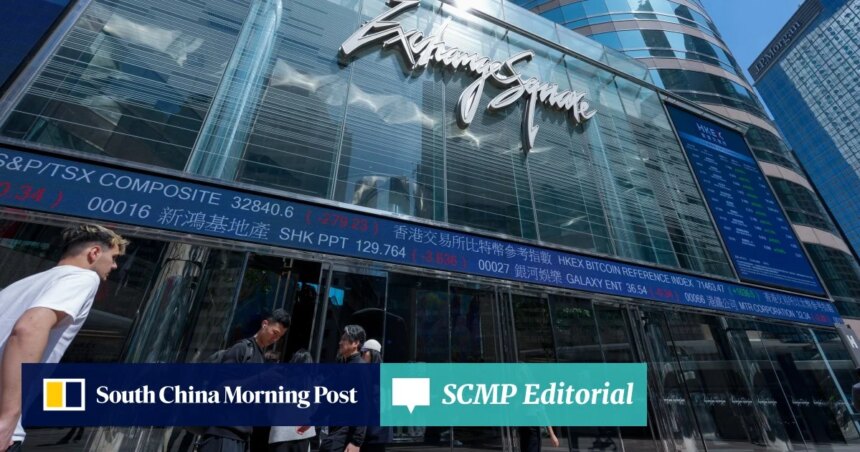
The anticipated decline of physical newspapers might not be as imminent as some predict, but the use of paper in the stock market is undoubtedly outdated. In a progressive shift towards modernization, the Securities and Futures Commission (SFC) has announced plans to phase out paper transactions and fully digitize the stock market within the next five years. Set to launch on November 16, this initiative aims to enhance market efficiency and bolster Hong Kong’s competitive edge.
This transition to a completely digital, paperless stock market will enable investors to hold and transfer shares electronically, marking a significant milestone in financial practices and promoting environmental sustainability by reducing paper consumption. As a consequence, physical share certificates may soon become collectibles, although it remains to be seen whether they will appreciate in value beyond mere nostalgia.
Approximately 2,600 listed companies are expected to adopt the new digital system over the designated timeframe, and those publicizing their offerings after November 16 will do so exclusively through digital methods. Current investors will have the option to either retain their physical certificates or convert them into digital equivalents.
While the global shift towards paperless solutions has not unfolded as rapidly as previously anticipated, the necessity of paper for certain uses—such as reading books and newspapers—remains. However, investment records are a category that clearly benefits from digital storage, which promises both safety and efficiency. Environmental activists are likely to support this transition as it aligns with broader sustainability goals.
The shift towards digitalization has been long overdue, particularly considering the enormous amount of printed materials associated with initial public offerings (IPOs) that often go unread. The SFC first proposed the digital transformation back in 2002, but it did not gain traction until now.
In preparation for the rollout of the new system, market participants, including stockbrokers, will be invited to test the platform, allowing for adjustments and refinements prior to widespread implementation. A notable advantage of transitioning to digital records is their potential integration with emerging technologies such as blockchain and tokenization, which are being swiftly adopted by local banking and financial sectors.
As the global investment market increasingly moves away from paper and manual processes, Hong Kong, recognized as a leading financial hub, is positioned to adapt and thrive in this evolving landscape. The shift to a paperless stock market signals not only a modernization of trading practices but also an important step toward a more sustainable future.