The International Energy Agency (IEA) recently released its monthly oil market report, highlighting the significant impacts of the ongoing conflict in Iran on global oil dynamics. The report indicates that the Iran war has notably decreased global demand for crude oil. The IEA has revised its demand forecast for 2026 downward, projecting an increase of only 1.1 million barrels per day year-over-year. This adjustment marks a significant downgrade of 700,000 barrels per day from the previous month, following a sharp decline in deliveries that saw a drop of 5 million barrels per day in the second quarter.
In terms of supply, global output fell to 94.5 million barrels a day in May, a decrease of 600,000 barrels per day compared to the previous month, and remaining below pre-war figures. The IEA anticipates that global supply may decrease year-on-year by 3.9 million barrels per day in 2026, reaching 102.4 million barrels per day, before a rebound to 110.3 million barrels per day the following year.
The lower demand is attributed to a combination of elevated fuel prices and shortages of refined products, illustrating the complex nature of the situation that extends beyond a simple supply shock. The IEA warns of a “significant overhang” in the market, forecasting an increase in supply by around 8 million barrels per day to approximately 110 million barrels per day, which would surpass a modest expected recovery in global demand, projected to rise by 2 million barrels per day to 105.3 million barrels per day in 2027.
This report comes as investors analyze the potential impact of a U.S.-Iran agreement, anticipated to close the ongoing Middle East conflict, and how a re-opening of the Strait of Hormuz might influence energy markets. Oil prices have seen a decline, reaching a three-month low as preparations for the signing of the deal in Geneva take place. The benchmark Brent crude was reported at $78.44, down 0.7%, while U.S. West Texas Intermediate futures for July delivery dropped nearly 1.1% to $75.18.
Should the agreement hold, the IEA indicates that oil production and exports from the Gulf could gradually improve, particularly as Iranian oil exports could completely resume once the U.S. blockade is fully lifted.
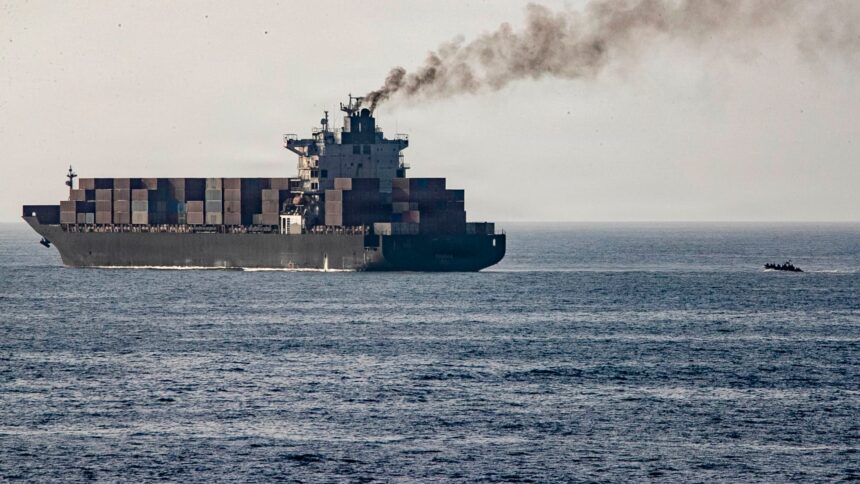
However, the normalization of supply may take time. The IEA highlighted that while shipments through the Strait of Hormuz have sharply increased in recent weeks, aided by ship-to-ship transfers in the Gulf of Oman, a full recovery may be prolonged. There are logistical challenges that must be addressed, including removing mines from shipping lanes.
The report also raised concerns over global oil stocks, which experienced a drop of 143 million barrels in May, compounding on a 74 million barrel draw in April. Since the onset of the conflict on February 28, inventories have fallen by about 3.8 million barrels per day. The IEA noted that despite the reduced demand for crude and refined products, global inventory buffers are diminishing at an unprecedented rate. If this trend continues, the report warns that oil stocks could reach historic lows before the balance shifts towards surplus later in the year.
Market analysts, including Tamas Varga from PVM Oil Associates, observe that while there have been significant inventory reductions, oil prices remain close to levels recorded in late February. As the situation evolves, the expectation is that the Strait of Hormuz will reopen, allowing for a gradual resumption of oil flows and potentially altering market balance dynamics in the coming months. The critical question remains how profoundly these changes will affect the overall oil landscape.