Inflation concerns surged on Friday as new data from the Producer Price Index (PPI) revealed a significant 0.8% rise in wholesale prices for January, a marked increase compared to the 0.3% anticipated by economists. This uptick follows a 0.6% rise in December and brings the annual headline PPI to a 2.9% increase. The timing of this report stands in stark contrast to President Donald Trump’s recent assertion during his State of the Union address that inflation is “plummeting,” highlighting the delicate balance the Federal Reserve must navigate regarding rate cuts in the upcoming years.
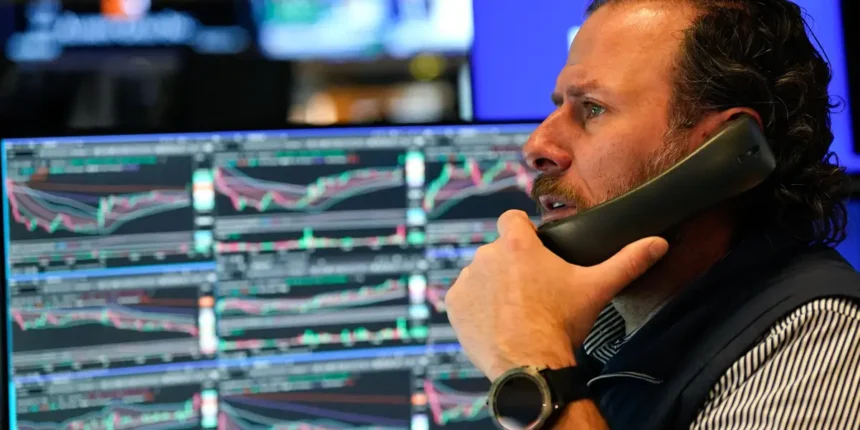
In the wake of this unsettling inflation news, stock markets reacted negatively, with the Dow Jones Industrial Average plummeting over 600 points and the Nasdaq experiencing a 1% drop. By midday, economic indicators reflected the market’s turmoil as investors reacted to the inflation data.
Industry experts weighed in on the implications of the revived inflation fears. Chris Zaccarelli, chief investment officer at Northlight Asset Management, suggested that the new inflation figures could divert Wall Street’s attention away from the potential disruptions caused by advancements in artificial intelligence. He added that the data serves as another reason for the Federal Reserve to approach monetary policy changes with caution, stressing the importance of maintaining price stability and full employment.
David Morrison, a senior market analyst at TradeNation, echoed similar sentiments, expressing concerns that stronger-than-expected PPI numbers might signal a worrying trend for U.S. inflation. He noted that the previous week’s Core Personal Consumption Expenditures (PCE) index also exceeded expectations, recording a year-on-year increase of 3.0%, which remains significantly above the Fed’s target of 2%.
Conversely, not all market participants perceived the PPI figures as a significant threat. Jamie Cox, managing partner of Harris Financial Group, pointed out that while stock prices fell, Treasury yields decreased, indicating that bond investors were not alarmed by the PPI report. He speculated that current market sentiment might be influenced more by geopolitical factors, such as potential conflicts, rather than domestic inflation alone. As of Friday, the yield on the 10-year Treasury stood at 3.97%, having declined by four basis points.
The emerging inflation landscape prompts a reevaluation of investment strategies and highlights the challenges facing both policymakers and investors in navigating this complex economic environment.