Consumer prices surged in April, raising fresh concerns about the inflationary pressures on the U.S. economy. According to a report released by the Bureau of Labor Statistics, the consumer price index (CPI) increased by a seasonally adjusted 0.6% for the month, bringing the annual inflation rate to 3.8%. This figure was slightly above the Dow Jones consensus estimate, which anticipated a lower annual rate by 0.1 percentage points. When excluding volatile food and energy prices, the core CPI also saw a significant rise of 0.4%, resulting in an annual rate of 2.8%—well above the Federal Reserve’s target of 2%.
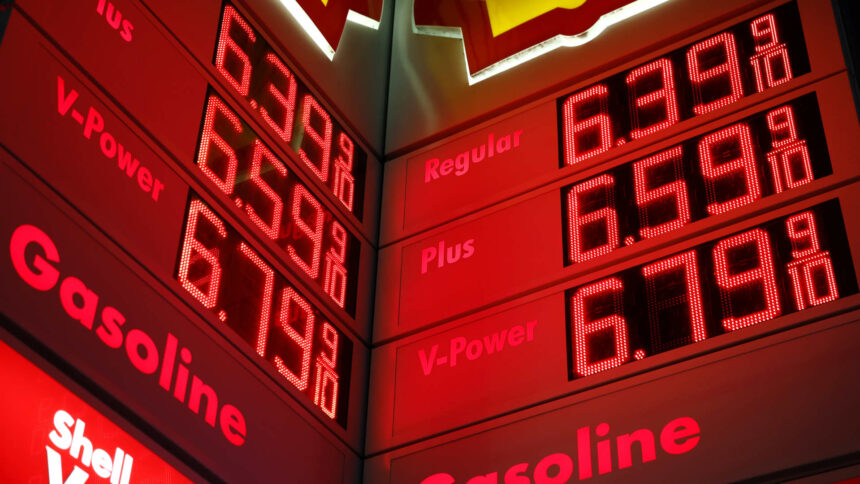
The one-year headline inflation rate reported is the highest since May 2023, marking an increase of half a percentage point from March. Similarly, core inflation increased by 0.2 percentage points year-over-year, indicating persistent inflationary pressures across various sectors. Energy prices led the charge with a striking 3.8% monthly jump, contributing to an annual gain of 17.9%. Food prices also experienced a notable increase of 0.5%, culminating in a 12-month rise of 3.2%. Particularly, gasoline prices surged by 28.4% year-over-year, highlighting the impact of energy costs on overall inflation.
In addition to energy and food, other sectors are reflecting upward price trends. Shelter costs rose by 0.6% after previous months of decline, suggesting that inflation extends beyond just the impacts of geopolitical events. The apparel category, sensitive to tariffs, recorded a 0.6% increase, and airline fares accelerated by 2.8%, contributing to an annual gain of 20.7%. Additionally, household furnishings and operations saw a 0.7% increase, further underscoring the widespread nature of rising costs.
Dishearteningly for workers, real average hourly wages dropped by 0.5% in April and fell 0.3% compared to the previous year. Following the inflation report, stock market futures were down, while Treasury yields rose. Market traders have increased the likelihood of a Fed interest rate hike by year-end to around 30%, according to CME Group data.
Heather Long, chief economist at Navy Federal Credit Union, emphasized that inflation is currently the main obstacle facing the U.S. economy, significantly impacting American households. “This is hurting Americans,” she said, noting that inflation is now eroding wage gains, particularly affecting middle-class and lower-income families.
The inflation report arrives at a critical moment for the Federal Reserve, which has maintained its benchmark interest rate steady throughout the year. Recent Fed meetings saw dissenting votes regarding rate cuts and communication about future policy directions, with four dissenters noted in the latest voting—a high not seen since 1992. With escalating energy prices, including oil exceeding $100 a barrel and gasoline averaging $4.50 per gallon nationally, adjusting monetary policy remains a challenge for the central bank.
Chris Zaccarelli, chief investment officer at Northlight Asset Management, remarked that the upward trend in inflation, combined with a robust labor market, makes it unlikely for the Fed to lower interest rates in the near term. He suggested that the markets might need to begin anticipating rate hikes for the following year.
Consumer sentiment has plummeted to historic lows against this backdrop, although the stock market has shown resilience, with major averages remaining close to their all-time highs during a strong earnings season. While consumer spending continues, this trend appears largely driven by higher-income individuals due to the general increase in prices.