The lending landscape for the U.S. government is becoming increasingly strained, with rising interest rates posing significant challenges for economic growth and affordability. Since the onset of the Iran war at the end of February, the yield on the 10-year U.S. Treasury note has surged to over 4.44%, a substantial increase from 3.95% just before the conflict began. This upward trend is impacting average mortgage rates, which have reached their highest levels in nine months, while auto sales are witnessing a decline.
This issue is not isolated to the U.S., as numerous countries are grappling with similar challenges. The global economy is adjusting to the realities of potentially higher inflation, increased governmental debt concerns, and a boom in artificial intelligence investments.
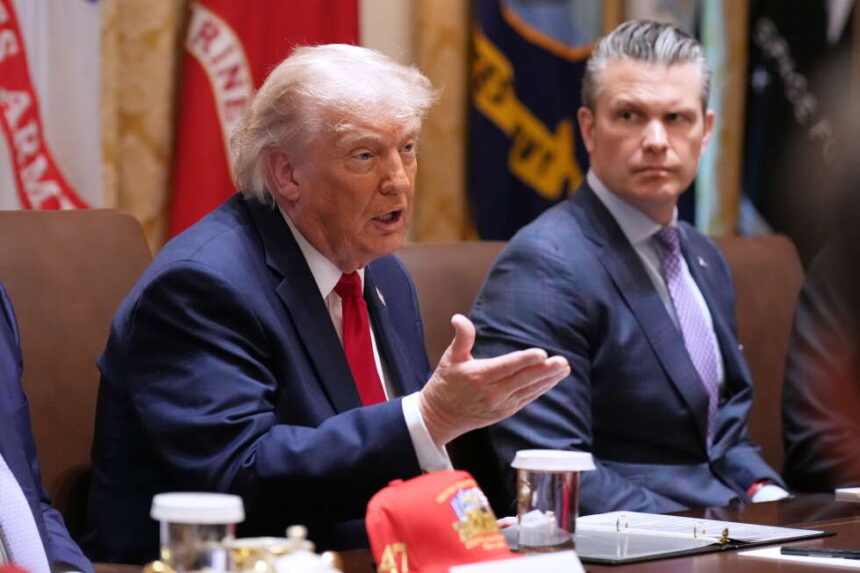
In response, President Donald Trump has attempted to reassure the public about plans to reduce the substantial annual budget deficit, estimated at around $1.8 trillion. His proposed solutions include generating revenue through tariffs, foreign investments associated with his “Gold Card” visa, spending reductions from a newly formed Department of Government Efficiency, and anticipatory economic growth. Recently, he emphasized that a fraud task force led by Vice President JD Vance would play a critical role in cutting costs, claiming, “If he does really great, we’ll have a balanced budget without having to do anything.”
However, economists are skeptical about the feasibility of these proposals. The annual cost of servicing the national debt has tripled since 2021, exceeding $1 trillion, according to Jessica Riedl, a budget and tax fellow at the Brookings Institution. Riedl pointed out that Trump’s previous tax cuts could result in an additional $5 trillion added to 10-year deficits, with tariffs offsetting only a fraction of that amount. Current projections estimate that deficits will exceed $4 trillion annually within the next decade, predominantly due to rising costs associated with Social Security and Medicare that outpace tax revenue.
The 10-year Treasury rate spiked to 4.67% in mid-May before easing amid ongoing negotiations related to the Iran ceasefire. Kent Smetters of the Penn Wharton Budget Model noted that 60% of the yield increase results from expectations of ongoing high borrowing rates, with the remaining 40% attributed to inflationary pressures exacerbated by military conflicts and tariff policies.
Glenn Hubbard, a former chairman of the White House Council of Economic Advisers under George W. Bush, expressed concern that the U.S. might lack the borrowing capacity needed to effectively manage economic emergencies. “I don’t think we have the space that we had in 2008 or 2020 to deal with it,” he said.
The rising interest rates are becoming a focal point in upcoming midterm elections, giving Democratic candidates additional ammunition against Republican opponents. In competitive districts, such as Colorado’s fifth congressional district, Democrat Jessica Killin is framing the persistent budget deficits and increased interest rates as barriers to homeownership and economic stability. Fellow candidate Joe Reagan echoed these sentiments, highlighting that every dollar spent on interest payments detracts from investments in critical areas like infrastructure and education.
Killin critiqued Republican incumbent Jeff Crank, stating that Trump’s pledges to balance the federal budget contrast starkly with current reality. The Trump administration continues to insist on its commitment to reducing the deficit, pointing to estimates suggesting that up to $500 billion could be saved annually through the elimination of fraudulent expenditures. Treasury Secretary Scott Bessent highlighted that the administration inherited a substantial deficit from the previous administration and is focused on reducing it to 3% of the overall U.S. GDP, a target that currently seems ambitious.
While investors are maintaining confidence in U.S. equities, the escalating interest rates signal a growing apprehension regarding national debt sustainability. Many analysts believe that financial markets may exert enough pressure through higher rates to push political leaders toward addressing these fiscal imbalances before the electorate does. Hubbard emphasized the critical nature of trust in the debt repayment process, elucidating that the entire bond market hinges on this confidence. “That works until it doesn’t,” he cautioned, highlighting the precarious nature of the current financial landscape.