Major market indexes might be approaching record highs, yet the mood among many investors is far from optimistic. Recent data from the CNN Fear & Greed Index indicates a notable decline in investor sentiment over the past month. On May 1, the index reached a peak of 71, placing it firmly in the “greed” category. However, by mid-May, the index had fallen to 63, and it now registers at 55. While it remains in the “neutral” territory, this figure teeters precariously close to the “fear” side.
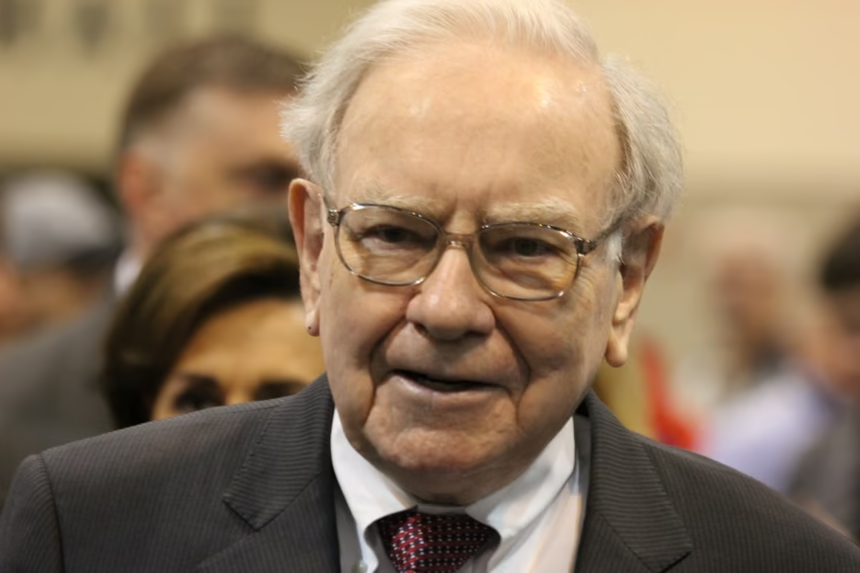
Despite these fluctuating sentiments, experts emphasize that this decline does not necessarily signal an impending recession. Many investors are experiencing anxiety as they contemplate their next moves in the market. This widespread uncertainty calls to mind the sage advice of Warren Buffett, one of the most respected figures in investing.
Buffett famously stated to “be greedy when others are fearful,” suggesting that when investor sentiment is low and panic ensues, it may present the best opportunity to invest. He shared this perspective during the Great Recession in 2008, a time when fear permeated the market, even among seasoned investors. In an open letter to The New York Times, Buffett pointed out that fears about the long-term viability of solid companies were unfounded. He reassured investors that while companies might experience temporary earnings setbacks, their long-term profit trajectories would remain strong.
Buffett’s insights have been validated over time; since he published that advice, the S&P 500 has increased by over 1,000%. Those who adhered to his guidance and continued investing during market downturns reaped substantial long-term returns.
While predicting the exact timing of the next market downturn is challenging, it is inevitable that the market will experience corrections. Such pullbacks are regarded as prime opportunities for investors to “be greedy” and purchase quality stocks at significant discounts. Continued investment during periods of market growth can also yield considerable gains.
History suggests that consistency in investing is crucial for maximizing long-term growth potential. By fostering a diversified portfolio filled with strong stocks, investors can better navigate periods of volatility and work toward building sustainable wealth.