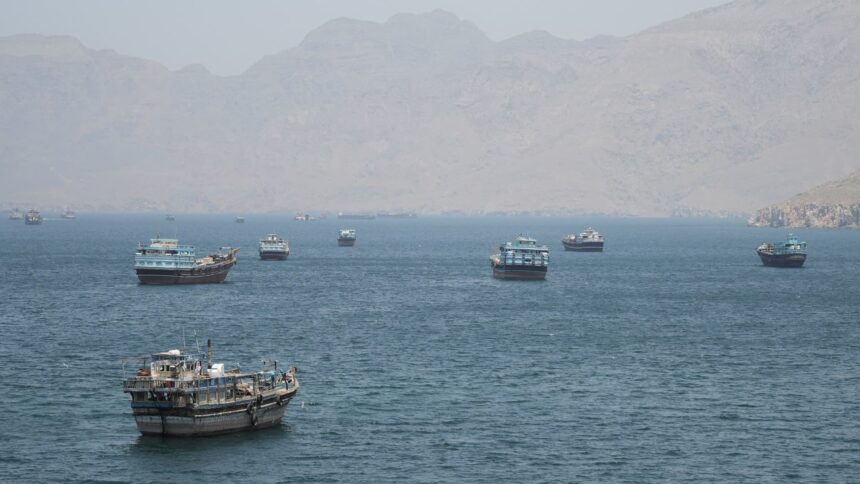
The ongoing conflict involving Iran has triggered significant shifts in the global energy landscape, with leaders in the oil and gas sector foreseeing profound and lasting changes. During recent earnings calls, CEOs from several major energy companies highlighted the immediate and future impacts of Iran’s blockade of the Strait of Hormuz, which has led to the loss of nearly one billion barrels of oil due to the ongoing disruptions.
Olivier Le Peuch, CEO of SLB, emphasized the precarious nature of the current global energy system, asserting that this situation could instigate “fundamental structural change” across the energy market. Lorenzo Simonelli, the CEO of Baker Hughes, echoed this sentiment, stating that energy security is being prioritized like never before. Jeffrey Miller, CEO of Halliburton, noted that investment in oil exploration and production will increase as companies and governments seek to shore up energy independence.
These energy executives discussed the particular vulnerabilities exposed by the disruption, especially for Asian economies that are heavily reliant on Middle Eastern crude oil and liquefied natural gas. As Darren Woods, CEO of Exxon Mobil, pointed out, nations will need to re-evaluate their energy security strategies to mitigate future risks.
An important consequence of the ongoing conflict will likely be a push to diversify energy supplies. Silva stated that governments will focus on rebuilding their oil stockpiles, which have dwindled during the crisis. According to Simonelli, there will be an emphasis on building global inventories beyond historical levels to ensure continued energy security.
The significance of U.S. crude oil has surged, with Kaes Van’t Hof, CEO of Diamondback Energy, noting that U.S. crude exports have reached unprecedented highs during the conflict. Miller remarked that the oil market has transitioned from a surplus forecast to a substantial deficit, indicating tighter market conditions that could sustain elevated oil prices even after the conflict concludes.
Le Peuch anticipates that the elevated prices will catalyze investment opportunities in offshore and deepwater fields across Africa, the Americas, and Asia. He described Africa as having “significant underdeveloped oil and gas resources,” suggesting that investment allocation in this region may increase as global priorities shift.
Overall, the unfolding situation in the Strait of Hormuz is redefining the energy security landscape, prompting industry leaders to call for a proactive approach towards infrastructure resilience, diversification of energy sources, and strategic investments to navigate an increasingly volatile market.