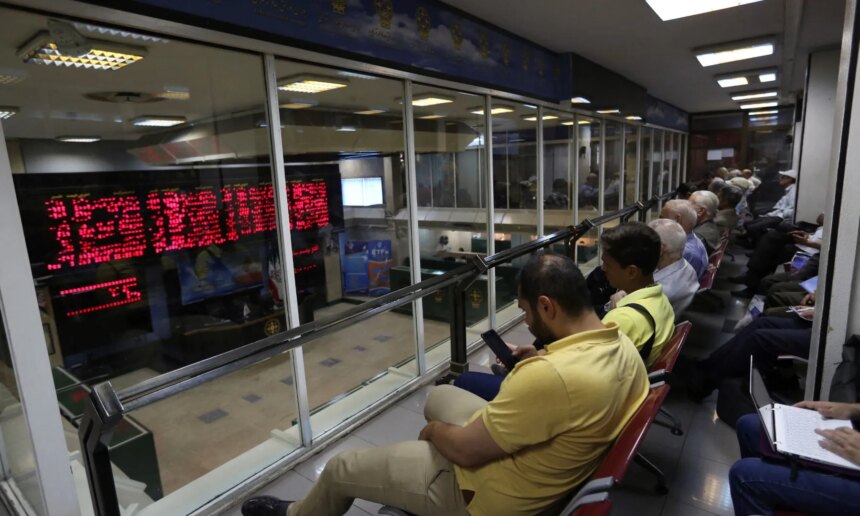
Tehran’s stock market is slated to reopen this week after enduring an unprecedented 80-day closure, a consequence of the ongoing conflict with the United States and Israel. While the Tehran Stock Exchange is not the primary driver of economic financing in a heavily sanctioned Iran, its reopening is anticipated to provide valuable insights into the country’s economic landscape, investor confidence, and market liquidity.
Trading is set to resume for shares, equity funds, and equity-linked derivatives on Tuesday and Wednesday, just before the Iranian weekend. To accommodate top firms that are expected to release vital updates on their operations after sustaining losses during the conflict, trading hours will be extended by one hour. This move comes after the exchange had been shut since February 28, following missile attacks from the U.S. and Israel that affected Tehran and surrounding regions.
Hamid Yari, deputy of the Securities and Exchange Organization (SEO), indicated that the market closure was intended to protect investors’ assets and prevent panic-driven actions. While the temporary halt effectively curtailed chaotic sell-offs, it also led to mounting pressure on investors and highlighted issues of dwindling trust in the capital market.
The TEDPIX, which is the main index of the Tehran Stock Exchange, experienced a staggering rise to nearly 4.5 million points at the outset of 2026 but subsequently fell sharply due to widespread unrest that saw thousands lose their lives. The situation worsened with the onset of the war and an imposed internet blackout, triggering a significant outflow of capital. At the time of the exchange closure, the TEDPIX had declined to approximately 3.7 million points.
As the stock market prepares for its reopening, there are concerns regarding how much information companies will be able to disclose about wartime damages, especially due to ongoing security threats. Key sectors like petrochemical producers and steel manufacturers are expected to be assessed for the extent of damage both direct and indirect, while certain sensitive details may be withheld to safeguard commercial secrets.
Bijan Khajehpour, managing partner at Eurasian Nexus Partners, expressed concerns that the reopening could lead to panic selling as investors seek liquidity. He underscored the need for the government to implement support measures that could cushion the effects of such an event. As a precaution, authorities have previously set limits to restrict daily fluctuations in stock prices to a margin of plus or minus three percent, aimed at curtailing extreme volatility in the market.
The recent history of the Tehran market during a brief closure amidst conflict serves as a potential indicator of future reactions. A two-week closure during the June 2025 conflict resulted in a significant index drop of over 15 percent, though it later rebounded to reach new highs, propelled largely by inflationary pressures and currency revaluation rather than genuine investment growth.
Amid a backdrop of chronic inflation and escalating international sanctions, banks and the state remain the primary financers of economic activity, continually grappling with deep-rooted economic challenges. The Central Bank of Iran’s reliance on printing money to fill budget gaps has become a double-edged sword, contributing to inflation and diminishing purchasing power for many citizens. As the stock market prepares to navigate these complexities, all eyes will be on the upcoming trading days to assess its potential for rejuvenation amidst a beleaguered economy.