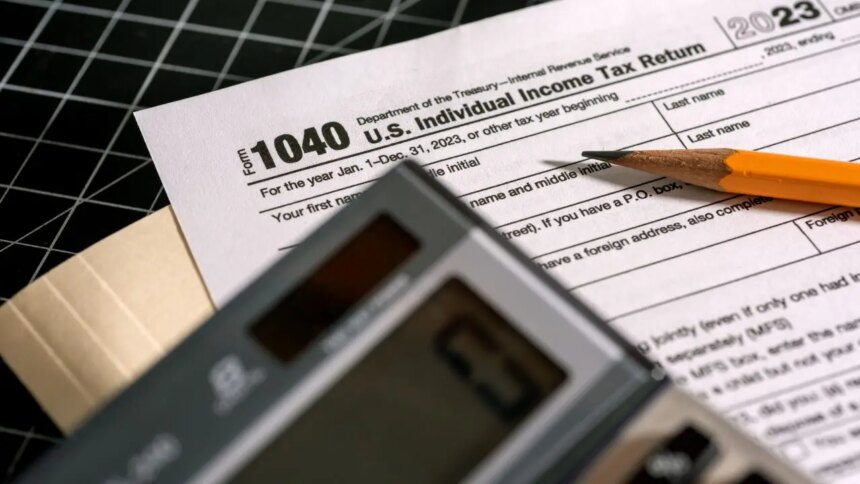
As Wall Street holds ambitious forecasts for 2026 amid a burgeoning A.I. boom and anticipated political influences from former President Donald Trump, taxpayers are gearing up for the upcoming tax filing season. The IRS has officially announced the start date for filing 2025 tax returns, which will commence on January 26. This announcement provides taxpayers with a window of over two months to complete their tax filings before the April 15 deadline or request an extension until the fall.
Taxpayers eligible for the IRS Free File program, targeting individuals with an adjusted gross income of $84,000 or less, can begin filing as early as January 9. Additionally, those preparing their own returns can utilize the IRS Free File Fillable Forms tool starting January 26, giving access to all income brackets.
One notable development this tax season is the introduction of Schedule 1-A, which allows taxpayers to claim recently established tax deductions. These deductions will cover aspects such as tips, overtime, interest on auto loans, and support for Social Security recipients. For more personalized access, taxpayers can manage their filing processes through their online accounts, which offer resources about balances, payments, and tax records.
In light of recent changes, Treasury Secretary and Acting IRS Commissioner Scott Bessent highlighted that updates to tax forms incorporate policy shifts from the recently enacted One Big Beautiful Bill Act. Bessent expressed confidence in the IRS’s capability to facilitate tax filing and drive economic growth for both consumers and businesses. IRS CEO Frank Bisignano echoed this sentiment, assuring that the agency is well-prepared to assist taxpayers in meeting their obligations during the filing season.
Moreover, after submitting their returns, taxpayers can use the “Where’s My Refund?” tool to track their refund status, typically available about 24 hours after e-filing or four weeks post-paper filing. With IRS officials emphasizing their readiness and the implementation of new tax laws, the agency aims to ensure a smooth filing process for American taxpayers in 2026.