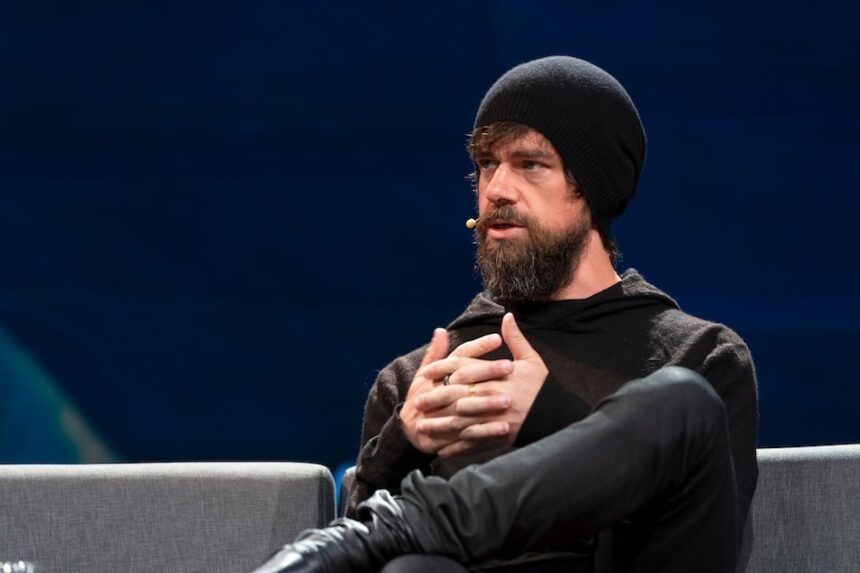
Jack Dorsey, former CEO of Twitter and a well-known advocate for Bitcoin, has ignited a fresh wave of discussion in the cryptocurrency community following his recent assertion that “Bitcoin is not crypto.” This statement, which he shared on social media platform X, was met with immediate attention, garnering over 4,000 comments and prompting a lively debate regarding the essence and classification of Bitcoin.
Dorsey’s declaration raises profound questions about Bitcoin’s identity, specifically distinguishing it from the broader category of cryptocurrencies. Supporters of Bitcoin have pointed out that its creator, Satoshi Nakamoto, referred to Bitcoin as a “peer-to-peer cryptocurrency” in earlier discussions. However, Dorsey seized on the terminology in the white paper, emphasizing the term “currency” and its implications for understanding Bitcoin’s intended function.
Compounding the intrigue around Dorsey’s perspective is the ongoing speculation surrounding his potential identity as Satoshi Nakamoto, a claim he firmly denied in a 2020 interview, quipping, “No, and if I were, would I tell you?”
At the heart of Dorsey’s position is the Bitcoin white paper itself, which he argues never once uses the term “crypto.” Instead, the document introduces Bitcoin as a “peer-to-peer electronic cash system” emphasizing an “electronic payment system based on cryptographic proof instead of trust.” This distinction is crucial for Dorsey as he seeks to carve out a clear identity for Bitcoin as a form of money, separate from the various speculative assets in the digital asset space.
In further elaboration of his views, Dorsey stated, “Bitcoin is money,” highlighting the advancements made by his company, Block, in facilitating zero-fee Bitcoin transactions through Square. He noted that many merchants are now adopting Bitcoin payments as a result of these technological developments.
However, not all members of the digital asset community align with Dorsey’s views. Critics have raised concerns about Bitcoin’s functionality as a daily payment method, citing challenges such as limited scalability and higher transaction fees. David Schwartz, the outgoing CTO at Ripple, expressed confusion about Dorsey’s message, suggesting that he might be aiming to position Bitcoin as a payment system rather than merely a speculative asset but found the message ambiguous.
The discourse triggered by Dorsey’s comments reflects the ongoing complexity and evolving nature of digital currencies and underscores the diverse perspectives within the cryptocurrency community. As the debate continues, many are left to ponder what the future holds for Bitcoin’s classification and its role in the ever-changing landscape of fintech.