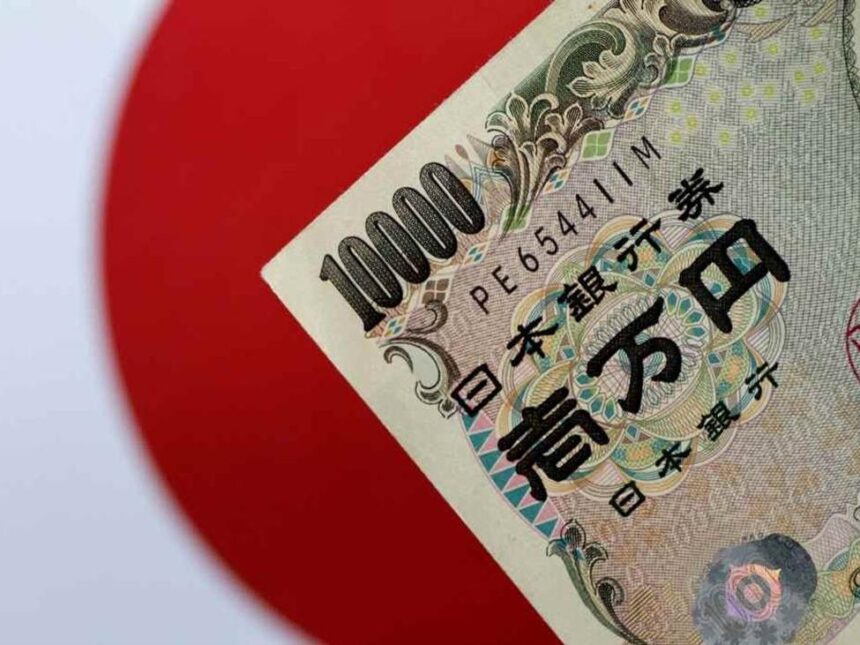
The ongoing tension between the United States and Iran has created significant challenges for global markets, particularly for Japan, whose economy heavily depends on oil imports from the Middle East. As the conflict persists and the Strait of Hormuz remains closed, the Japanese yen is struggling to regain its footing, even as the U.S. dollar faces its own difficulties.
This tenuous situation has prompted discussions within Japan regarding the potential release of additional oil reserves to mitigate the growing pressure on the economy. The government is planning to release another 20 days’ worth of oil supplies, aiming to stabilize energy costs amid escalating prices.
In the foreign exchange market, the USD/JPY pair remains supported, with speculations suggesting that it is on the brink of pushing higher. Despite recent verbal warnings from Tokyo about the currency’s volatility, the yen has lost its status as a safe-haven currency. Analysts from MUFG emphasize that the current economic climate might be nudging Japan closer to actual foreign exchange intervention.
Japanese Finance Minister Katayama recently conveyed to G7 members that the situation surrounding foreign exchange is being monitored with “a high sense of urgency.” Although U.S. Treasury Secretary Scott Bessent was absent from these discussions, Katayama highlighted that she had earlier engaged in bilateral talks with him regarding currency matters. These discussions underlined a shared concern for market stability, with Katayama stressing the importance of “calming” the markets.
The continued underperformance of the yen, especially as the U.S. dollar has experienced a notable correction, places Japan in a precarious position. Since the announcement of a ceasefire between the U.S. and Iran on April 7, the yen has ranked as the second worst-performing currency among the G10, exacerbating fears that prolonged conflicts could further deteriorate its value.
Market observers suggest that should peace talks falter and the conflict extend over the coming months, it could lead to significant downward pressure on the yen. Such an eventuality may act as a catalyst for Japan to take decisive action and intervene in foreign exchange markets to support its currency. The possibility of intervention remains a point of intense speculation as USD/JPY hovers around the critical 160.00 level, with traders closely watching for further developments.