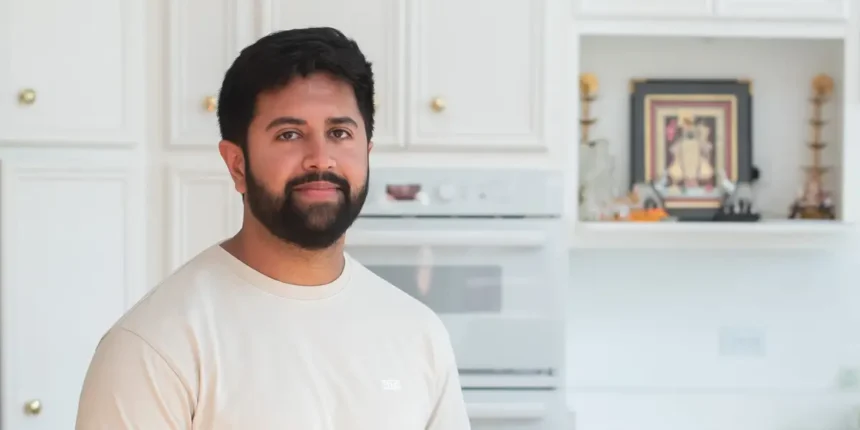
A TikTok creator known as Jay has unexpectedly emerged as a prominent critic of self-entitled influencers, following a journey that began with promoting his family’s snack business, Daadi Snacks. Starting in 2024, Jay initially set out to showcase popcorn inspired by his grandmother’s recipe, but his trajectory shifted when he encountered a pair of influencers expressing disappointment over a high-end South Indian restaurant’s lack of Chicken Tikka Masala on its menu. Finding their comments amusing yet out of touch, he created a quick response video that unexpectedly gained traction, marking the inception of his side venture as an influencer critic.
Jay’s deadpan critiques target various creators, including tourists who neglect local customs and food influencers who seek free meals from restaurants. His signature opening, “Come with meeee,” satirizes the whiny upspeak prevalent among the influencers he critiques. The Daadi Snacks account now boasts over a million followers on TikTok, and while Jay does not monetize his videos directly, they have enhanced awareness of his family’s snack offerings. This includes unique popcorn flavors like “Sweet Chai” and “Spicy Masala,” alongside branded merchandise featuring catchphrases from his videos.
However, not all influencers view Jay’s critiques favorably. Some have responded by blocking him or sending cease-and-desist letters. The current landscape of influencer marketing is rapidly evolving, with standards struggling to catch up to the increasing pace of growth. While many support Jay’s endeavors, dubbing him the “Batman of the internet,” criticism exists, with detractors labeling him as just another food influencer trying to leverage his platform for personal gain.
One criticized influencer, known as themilehams, remarked that accounts like Jay’s can encourage bullying, although they personally welcome the additional attention. Jay, who primarily focuses on food and travel influencers, claims that positive feedback far outweighs the negativity. He explains that feedback from followers often inspires the content he creates.
The confrontations can become contentious. In one notable case, an influencer known as BestieBri complained about high prices at a New York café and was subsequently criticized by Jay after he showcased the café’s posted menu and policies. While she felt misrepresented by his video and reported receiving harassment after it went viral, Jay defended local establishments reacting against perceived unfair treatment.
Jay has also taken aim at bigger figures, including wellness guru Jay Shetty, questioning the inconsistency between his spiritual past and current lifestyle, as well as Ballerina Farm amid controversies over the safety of its raw milk. Representatives for these individuals have not responded to requests for comments regarding Jay’s criticisms.
As the creator economy continues to grow, projected advertising spending on creator marketing is set to reach $43.9 billion this year. Yet, the industry lacks universally accepted standards—something experts like Kyle Hjelmeseth from G&B Digital Management aim to address through training programs aimed at professionalizing the space. Efforts to establish industry certification for creators are also underway.
With a rise in scrutiny surrounding influencer culture, movements like “de-influencing” advocate for questioning the products promoted by creators. Jay is conscious of this evolving landscape, expressing a desire that his critiques foster a more supportive environment for local businesses. Ultimately, he harbors aspirations of transitioning to a role focused on genuinely reviewing and uplifting small businesses rather than filling the role of a critic indefinitely. “That’d be way more fun,” he notes, looking toward a future where constructive collaboration takes precedence.