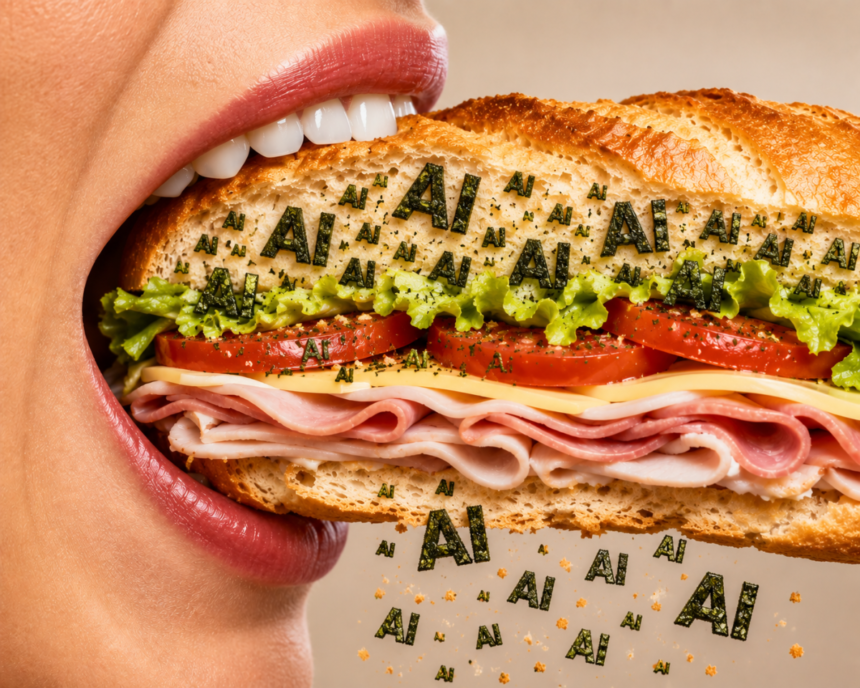
In an intriguing twist reflecting the current frenzy surrounding artificial intelligence, Jersey Mike’s has taken the bold step of incorporating AI into its IPO documents, raising eyebrows within both the culinary and tech sectors. While the sandwich chain is primarily focused on serving submarine sandwiches, the mention of AI is striking, given that it appears 22 times in the filing.
The backdrop to this unusual narrative is a broader trend among companies, fueled by investor enthusiasm for AI. Many firms, regardless of their primary business focus, are increasingly feeling the pressure to highlight AI in their pitches. This necessity is not limited to tech companies; even traditional businesses like Jersey Mike’s are hopping on the AI bandwagon. Notably, the IPO documents even include boilerplate risk warnings about potential pitfalls associated with AI technologies, albeit without clear explanations of how these risks apply to their sandwich-making operations.
In the filings, the term “software” appears 52 times, while “data” is cited 112 times, acknowledging the importance of technology in modern business practices. However, the loose connection to AI adds an element of absurdity, particularly as the company does not explicitly caveat its use of AI in a way that would strike fear into investors. The language used about AI risks feels almost incidental when considering that the chain’s core business revolves around food, not technology solutions.
While the risks of AI missteps have been highlighted by industry disasters—such as Starbucks’ problematic AI inventory tool that was recently retired—Jersey Mike’s appears to tread lightly. Predicting disasters linked to AI for a sandwich shop may be akin to worrying about being struck by lightning in a specific franchise, a rare event noted to have happened in Texas in 2021. Yet, it’s noteworthy that the subject of weather was mentioned only five times in the filing, while lightning didn’t earn a single mention.
The intersection of food and technology through the lens of AI in an IPO document not only underscores the current market dynamics but also reflects a culture increasingly obsessed with tech innovation, regardless of relevance. As this trend continues, the question remains: how far will companies go to align themselves with the AI narrative, even in areas where it may not seem pertinent at all?