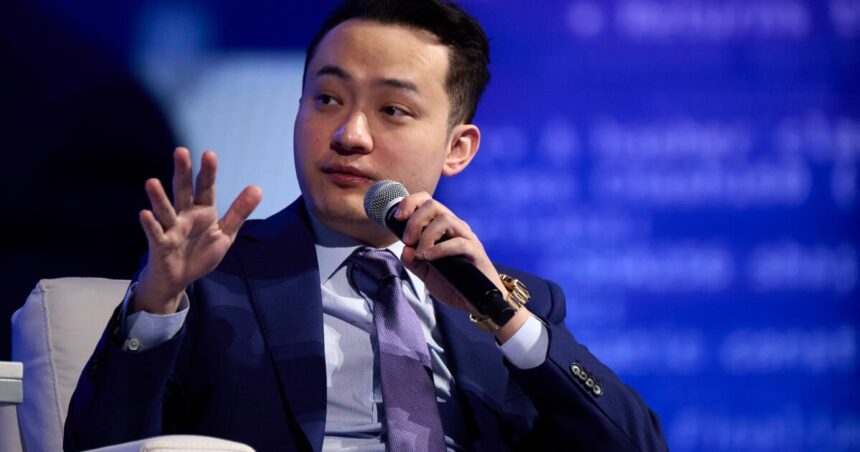
In a dramatic turn of events within the cryptocurrency space, Justin Sun, a prominent figure in the industry, has filed a $45 million lawsuit against World Liberty Financial (WLF), a firm linked to the Trump family. Sun’s claims center around allegations that WLF has blocked access to his WLF crypto tokens worth $45 million as retaliation for his refusal to invest beyond that amount.
Sun’s accusations highlight concerning practices at WLF, including threats to “burn” his tokens—rendering them worthless—and to report him to U.S. authorities should he continue to resist further investment. Prior to his lawsuit, Sun publicly criticized the firm on social media, branding it “World Tyranny Financial,” and declaring his innocence in response to management’s threats.
WLF has yet to comment directly on Sun’s lawsuit but, following its filing, WLF CEO Zach Witkoff described the allegations as a “desperate attempt to deflect attention” from Sun’s alleged misconduct and expressed confidence that the case would be dismissed. Notably, WLF has agreed to halt any actions against Sun’s tokens pending the outcome of the legal proceedings.
The lawsuit’s underlying tensions are exacerbated by WLF’s connections to the Trump family. The firm, launched in 2024 with an online event featuring Donald Trump, counts his sons Donald Jr., Eric, and Barron among its founders, alongside notable real estate developer Steve Witkoff. With a 38% ownership by a Trump-related business entity, the firm’s financial future is tightly interwoven with the former president’s influence, which it openly acknowledges in its marketing strategy.
Sun’s initial investment was reportedly motivated by his admiration for Trump and the belief in the goals of decentralized finance, a key principle within the crypto sector. After investing significantly in WLF—amounting to $45 million in a bid to salvage the firm’s struggling initial token rollout—Sun was recognized as WLF’s largest investor and was assigned the title of corporate advisor.
However, issues arose when WLF modified its rules, restricting token transfers prior to the anticipated tradability of Sun’s holdings. Sun claims that he was pressured to invest more, with his tokens frozen as a means to exert pressure. Additionally, WLF publicly insinuated that Sun misappropriated funds, a claim he vehemently denies and has suggested he may pursue further legal action against.
The ongoing saga raises critical questions about the intertwining of politics and cryptocurrency, especially as Trump’s relationship with the crypto world has seen considerable fluctuations—from calling it a “scam” in 2021 to embracing its potential virtues later on.
While regulatory scrutiny of cryptocurrencies continues to fluctuate, evidenced by recent actions from both the Biden administration and the SEC, the challenge for investors remains significant. As the crypto landscape evolves, it is clear that reliance on specific firms or political figures, even those as influential as the Trump family, does not guarantee security or protection in this volatile market.
Sun’s controversial history also invites scrutiny, as he has faced allegations and challenges throughout his career, including a high-profile purchase of a banana artwork that he later consumed on camera. As the case unfolds, the implications for both Sun and WLF could resonate across the cryptocurrency market, particularly as investors navigate the complexities and risks inherent in this decentralized financial world.