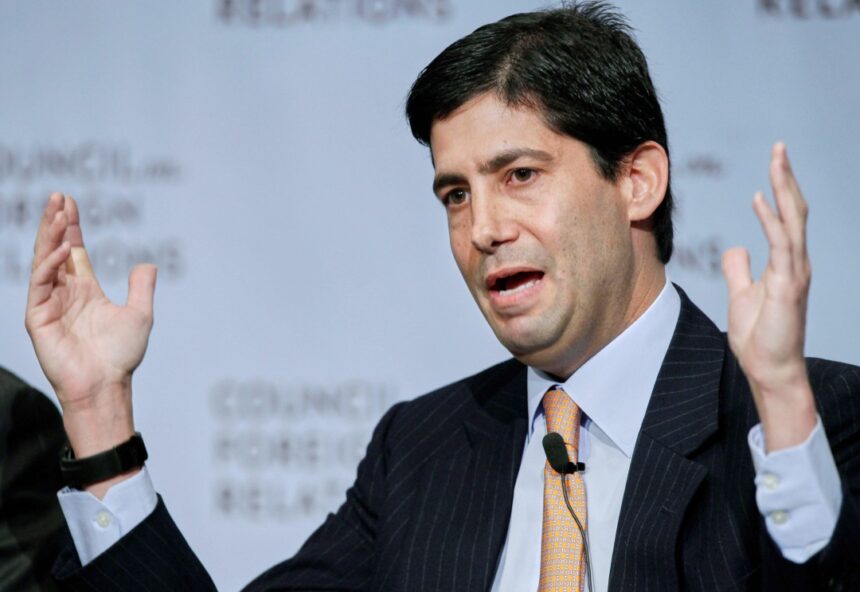
In a pivotal moment for the Federal Reserve, Kevin Warsh is set to articulate a vision for the central bank during his confirmation hearing on Tuesday before the Senate Banking Committee. As President Trump’s nominee to replace Jerome Powell as Fed chair, Warsh is expected to underscore the importance of maintaining the Federal Reserve’s independence in setting interest rates. His remarks, made public by the New York Times, emphasize that decisions on interest rates must be grounded in “analysis, deliberation, and unclouded decision-making.”
Warsh’s prepared statements are likely to navigate a delicate balance, where he acknowledges that the White House should have a greater role in certain aspects of the Fed’s responsibilities. However, he asserts that the integrity of interest rate decisions must remain insulated from external pressures. Notably, he expresses that the expression of opinions by the president or lawmakers regarding interest rates should not be seen as an infringement on the Fed’s independence. He states that “central bankers must be strong enough to listen to a diversity of views from all corners.”
Warsh’s confirmation comes amid a backdrop of political tension, as Trump has actively advocated for lower interest rates and has been critical of Powell and other Fed officials for their reluctance to comply. The president’s dissatisfaction has manifested in various actions, including his attempt to remove Fed Governor Lisa Cook, a matter now under Supreme Court consideration. Additionally, a criminal investigation has been initiated by the Justice Department concerning Powell related to costly renovations at the Fed’s Washington headquarters.
Adding to the drama, Senator Thom Tillis, a Republican committee member, has vowed to obstruct any Fed nominee until the ongoing legal challenges are resolved, according to the Times. Despite this high-stakes environment, Warsh’s opening statement is anticipated to steer clear of discussing the investigation or Trump’s criticisms, holding instead to a narrative that does not guarantee the rate cuts the president seeks.
Warsh emphasizes the Fed’s accountability regarding inflation, spotlighting that “inflation is a choice” and stressing the central bank’s duty to manage it effectively. He warns against the dangers of distractions, arguing that the Fed’s independence is fortified when it avoids mingling with fiscal and social policy issues. He cautions that the institution should not devolve into a catchall agency or an appellate court for other disputes.
Interestingly, Warsh distinguishes the level of autonomy the Fed should possess regarding public spending, bank regulation, and international financial matters, suggesting that these areas may require a different approach than interest rate decisions. As the confirmation process unfolds, all eyes will be on the Senate committee’s reception of Warsh’s perspectives and how they align with the broader debate surrounding the Federal Reserve’s role in the U.S. economy.