A U.S. lawmaker is calling on the CEOs of major airlines to commit to lowering air travel costs should the price of jet fuel decline. The appeal comes in the wake of significant fuel price increases this year, which prompted airlines to implement higher surcharges and fees. U.S. Representative Ritchie Torres, a Democrat from New York, addressed his concerns in a letter sent to the leaders of Delta Air Lines, United Airlines, JetBlue Airways, and Southwest Airlines.
In his correspondence, Torres emphasized that if airline ticket pricing is genuinely linked to global fuel costs, it should also be responsive when those costs fall. He stated, “The American people deserve fairness and pricing models that do not only reflect market conditions, but also economic justice.” His remarks underscore a broader sentiment among consumers who have been feeling the impact of rising travel costs.
The surge in jet fuel prices has significantly affected airlines, with fuel being their largest expense after labor costs. According to Argus, the average price of jet fuel hit $4.88 per gallon across major cities, showing a staggering 95% increase since late February, coinciding with escalating tensions in the Middle East following military actions involving the U.S. and Israel against Iran. Notably, fuel prices have risen even further in areas where local oil production is limited.
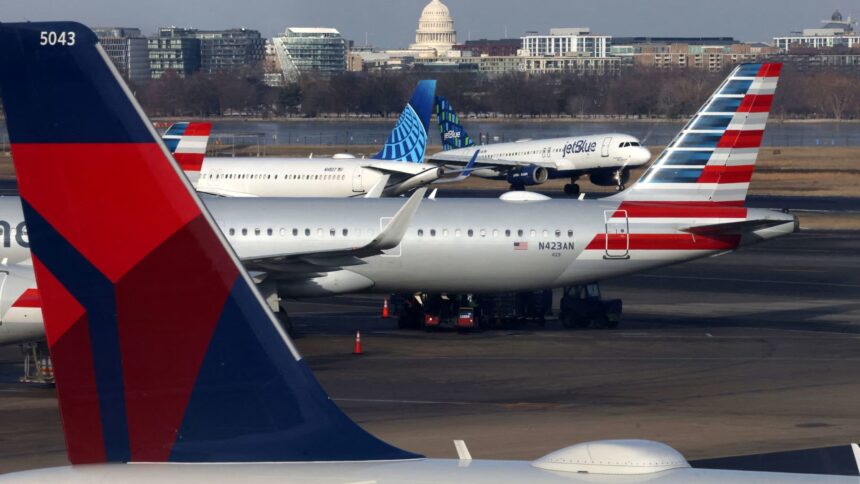
While United Airlines declined to comment on the situation, other airlines have not responded to requests for statements either. Meanwhile, Delta has reported a recent $2 billion increase in costs due to fuel and indicated plans to reduce its capacity. Such decisions could potentially influence fare prices, especially if demand for flights continues to remain strong.
The relationship between capacity and pricing is a complex one. Should airlines cut back on their service offerings to manage rising costs, it could lead to higher fares if demand remains robust. Conversely, a decline in fuel prices generally encourages airlines to increase capacity, potentially lowering ticket prices for consumers.
Delta’s CEO, Ed Bastian, noted the importance of “fuel recapture,” suggesting that retaining pricing power from past fare increases is essential for maintaining company margins in the face of fluctuating fuel costs. He highlighted that airlines like Delta, United, Southwest, JetBlue, American Airlines, and Alaska Airlines have all raised bag fees amidst rising operational costs.
On the consumer side, the airline industry has been buoyed by a segment of travelers willing to spend more on air travel. Bastian commented on the resilience of higher-end consumers, stating they appear to be less affected by economic uncertainties and continue investing in travel experiences. This trend suggests that demand remains solid, even amid price increases.
As the situation evolves, the call for accountability from airline executives could reshape how fare pricing is determined in relation to fluctuating fuel costs, thereby impacting the overall travel experience for consumers.