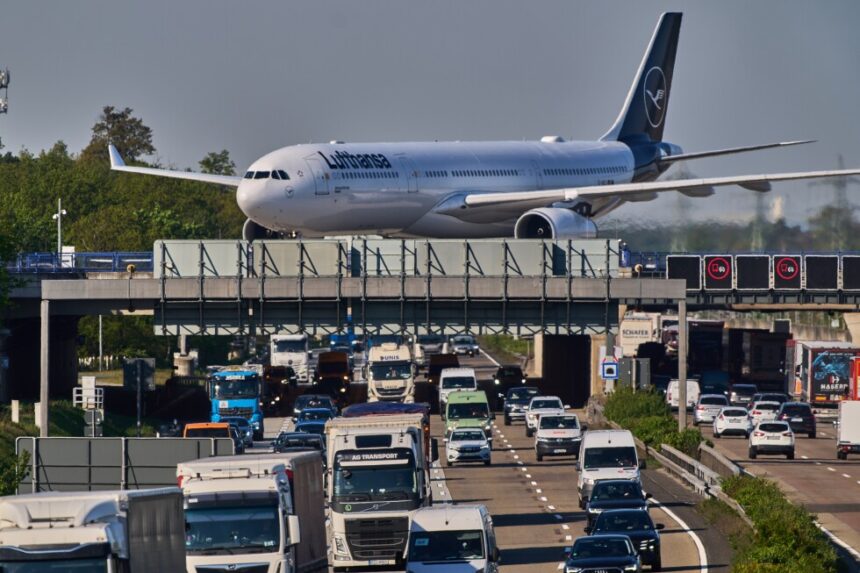
A major decision has been made by the Lufthansa Group, which owns Lufthansa Airlines and various other European carriers, in response to the escalating crisis tied to the ongoing war in Iran. The company announced on Tuesday that it would be canceling up to 20,000 short-haul flights by October. This strategic move aims to mitigate the impact of soaring oil prices and the potential jet fuel shortages that many countries are bracing for.
The cancellations will be centered predominantly around the airline’s hub airports located in Frankfurt and Munich. Lufthansa anticipates that this reduction in flights will save approximately 40,000 metric tons of jet fuel, a pressing concern as the global aviation industry navigates rapidly inflating fuel costs. The firm had already taken steps to reduce its operational costs by shutting down its regional subsidiary, CityLine, last week.
Lufthansa’s changes will not only affect its own operations but also involve a broader consolidation within its European network, which includes airlines such as Austrian Airlines, Brussels Airlines, SWISS, and ITA Airways. Hubs in key cities including Brussels, Rome, Vienna, and Zurich will also see adjustments in schedules as part of this strategic reorganization.
The context for these changes is rooted in the significant increase in jet fuel prices sparked by the conflict in the Middle East. Since the onset of the war, fuel prices have more than doubled, presenting a critical challenge to airlines that rely heavily on fuel for their operations. According to the head of the International Energy Agency, Europe may have only six weeks’ supply of jet fuel left. Concerns over potential shortages have led EU officials to warn about the long-term implications on energy costs.
EU Energy Commissioner Dan Jørgensen highlighted the severe economic strain caused by the war, estimating that Europe is facing a staggering daily cost of around 500 million euros (approximately $600 million). The ongoing crisis is likely to affect fuel prices for an extended period, with Jørgensen signaling a worrying outlook for airlines across the continent.
At the same time, Lufthansa has reassured stakeholders that it has secured sufficient jet fuel for the upcoming weeks, working actively to ensure stability in supply throughout the summer months through proactive procurement measures.
The broader impact of the crisis is reflected in the decisions made by numerous airlines globally, with all but one of the world’s 20 largest carriers reporting planned flight cancellations for May. These include major airlines such as Delta, United, American, and British Airways. In addition to flight cancellations, carriers like Edelweiss Air and Air New Zealand are also reducing their services significantly as part of their strategy to cope with the rising fuel costs.
With fuel prices hitting record levels—from about $99 per barrel at the end of February to a peak of $209 per barrel in early April—airlines are adapting by slowing plans to expand routes and seat capacity. Delta, for example, is now set to offer approximately 3.5% fewer seats than originally planned for June.
As airlines report their first-quarter earnings, the uncertainty surrounding fuel costs is influencing financial forecasts. United Airlines has revised its expected earnings downward, while Southwest anticipates second-quarter results will fall short of Wall Street’s projections.
Overall, the aviation industry is bracing for a challenging period ahead, marked by fewer options for travelers and rising costs as it contends with a complex geopolitical situation affecting fundamental operational expenses.