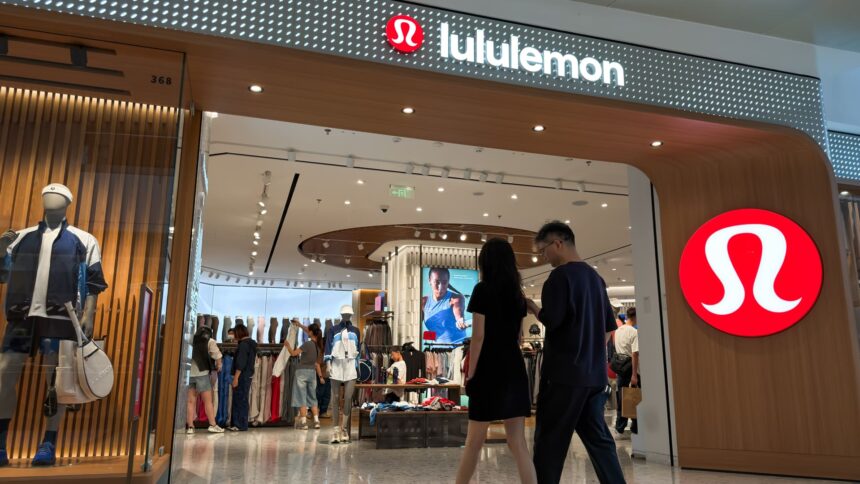
Lululemon Athletica has recently faced significant challenges that have compelled the athletic apparel retailer to revise its full-year sales and earnings expectations. During a recent earnings call, interim CEO Meghan Frank indicated several factors contributing to the company’s struggles, including “negative commentary in the media” and product launches that did not resonate with consumers as anticipated.
Frank noted that the negative media sentiment and social media discussions adversely impacted customer traffic and overall sales performance, particularly at the end of the company’s fiscal first quarter. The fallout from a proxy battle with founder Chip Wilson, who has publicly criticized the brand, also contributed to this decline. Despite some successful product launches so far this year, Frank acknowledged that others were disappointing and did not generate the expected customer interest.
In light of these issues, Lululemon has lowered its sales projections for fiscal 2026, now anticipating revenue between $11 billion and $11.15 billion, significantly down from the previously estimated range of $11.35 billion to $11.50 billion. Similarly, the company has adjusted its earnings outlook by more than $1 per share, now estimating earnings per share between $10.95 and $11.15, falling short of analyst expectations.
The outlook for the current quarter remains bleak as well, with sales forecasted to be between $2.45 billion and $2.48 billion—well below the anticipated $2.60 billion. Earnings per share are expected to range between $1.76 and $1.81, again not meeting the analyst consensus of $2.68.
While Lululemon exceeded expectations for its fiscal first quarter, reporting earnings per share of $1.69 and revenues of $2.47 billion, it still faced ongoing challenges, particularly in North America. Comparable sales in this crucial market fell 5%, marking the fifth consecutive quarter of declines. Conversely, international sales grew 22%, showcasing a significant disparity in performance between regions.
The company has acknowledged that sales declines are likely to persist in North America, forecasting low-double digit percentage declines in the upcoming quarter and high-single digit percentage declines for the entire fiscal year. In stark contrast, Lululemon projects that sales from China will flourish, with anticipated growth rates reaching 20%.
Profitability has also emerged as a pressing concern for the retailer. Lululemon’s gross margin fell 4.1 percentage points to 54.2%, dropping below analysts’ expectations of 54.6%. This decline can be attributed to tariffs and increased discounting in an effort to drive sales, which has negatively impacted its premium brand perception.
The ongoing proxy battle with Chip Wilson has placed additional strain on management, diverting focus and resources away from crucial business recovery strategies. Lululemon has also faced external economic pressures, including rising gas prices and global conflicts, which have further escalated operational costs.
Despite these difficulties, the company has expressed a commitment to responding proactively. Frank emphasized that Lululemon is actively working to correct course, particularly in its North American operations, with plans for strategic adjustments to regain momentum.
In recent months, Lululemon has made some progress in addressing these hurdles, such as appointing Heidi O’Neill from Nike as its new CEO. Although investors have expressed mixed feelings about O’Neill’s appointment—given that she won’t officially start until September—there is cautious optimism surrounding her extensive experience, particularly in establishing Nike’s women’s business.
In the meantime, with interim leadership in place, Lululemon is focused on refining its product line and tackling growth challenges in the domestic market. However, with considerable lead time required for product development, there are concerns regarding the timeline for resolving the current issues plaguing the business. Nevertheless, the company has begun efforts to shorten product lead times, already making progress from 18-24 months down to 15-16 months, with a goal of further reduction.
As Lululemon navigates through these turbulent times, its path forward will likely be closely monitored by both investors and market analysts.