In the complex world of finance, a well-known saying reminds investors and policymakers alike: the markets do not equate to the economy. While financial markets focus primarily on profits and expectations, the economy is concerned with the tangible elements that directly impact everyday life, such as employment, wages, and gross domestic product (GDP).
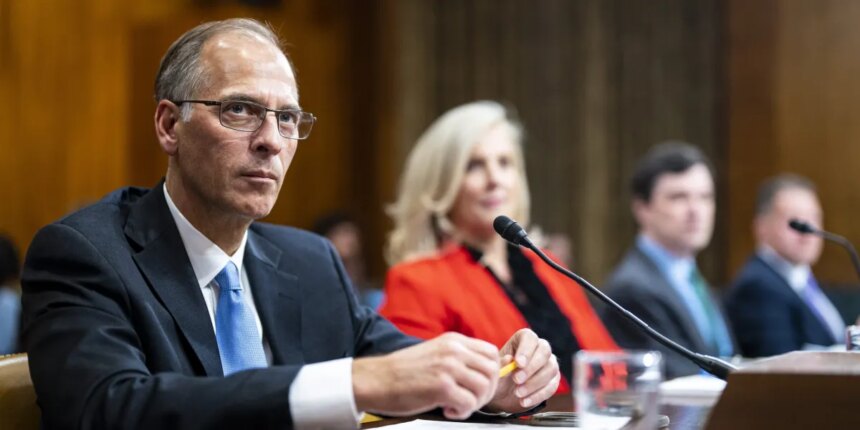
Currently, a significant disconnection exists between these two spheres, according to Mark Zandi, chief economist at Moody’s Analytics. In a recent discussion on social media platform X, he emphasized that while he typically refrains from commenting on financial markets, he feels compelled to highlight the existing rift.
Over the past year, this disconnect has puzzled many analysts. On the one hand, financial markets, including stock indices and commodities like gold and silver, have seen impressive performance. Conversely, the broader economy appears to be stagnating and has exhibited several troubling signs. Zandi warned that as financial market valuations skyrocket, the real economy could face serious repercussions.
Recent data from the Commerce Department revealed that U.S. real GDP growth decelerated sharply to just 1.4% in the last quarter of 2025, a significant drop from 4.4% in the previous quarter. This growth rate is notably below the economy’s potential growth of around 2.5%, indicating a lack of sustainable momentum. Job market indicators further illustrate the growing divide. While unemployment dipped slightly from 4.4% to 4.3% last month and employers added more jobs in January than anticipated, revised estimates for 2025 pointed to nearly no job growth throughout that year.
Despite these concerning economic indicators, financial markets continue to thrive, buoyed by strong returns from the previous year and anticipations of interest rate cuts alongside excitement surrounding artificial intelligence advancements. Many analysts remain optimistic about 2026, with researchers from Goldman Sachs projecting a 12% rise in the S&P 500 for the year.
However, this disconnect raises the risk of a significant market correction. Should stock values drop—perhaps due to unsustainable high valuations or a downturn in tech-heavy indices—wealthy households might reduce their spending, which could deal a severe blow to economic growth. Moody’s has noted that the top 10% of earners in the U.S. account for roughly half of all consumer spending. A decrease in this expenditure could prompt businesses to tighten their belts, potentially leading to an economic contraction.
Zandi cautioned that the financial markets currently appear to be influenced by rampant speculation, which has contributed to the high and potentially problematic asset valuations. Notably, the five largest technology companies now represent around 30% of the S&P 500’s overall value, with these firms investing billions in AI-related ventures, primarily based on hopeful future returns. Such a speculative climate has fostered a belief among investors that prices will continue to rise based on past performance.
The implications of this disconnect extend beyond merely risking paper wealth for investors. Zandi warned that a downturn in markets could pose a significant danger to what is already a fragile economy, noting that reduced consumer spending and increased caution among businesses could ensue. External factors, such as uncertainties surrounding tariffs or geopolitical tensions, could further complicate the economic landscape.
Generally, there are moments when market performance aligns with the underlying business fundamentals, resulting in improved valuations that can lead to increased hiring and higher wages. However, with the economy currently struggling while markets remain buoyant on unstable grounds, this moment of disconnection could signal trouble ahead. According to Zandi, the possibility of significant market movements exists, where falling asset prices threaten an already vulnerable economic situation.