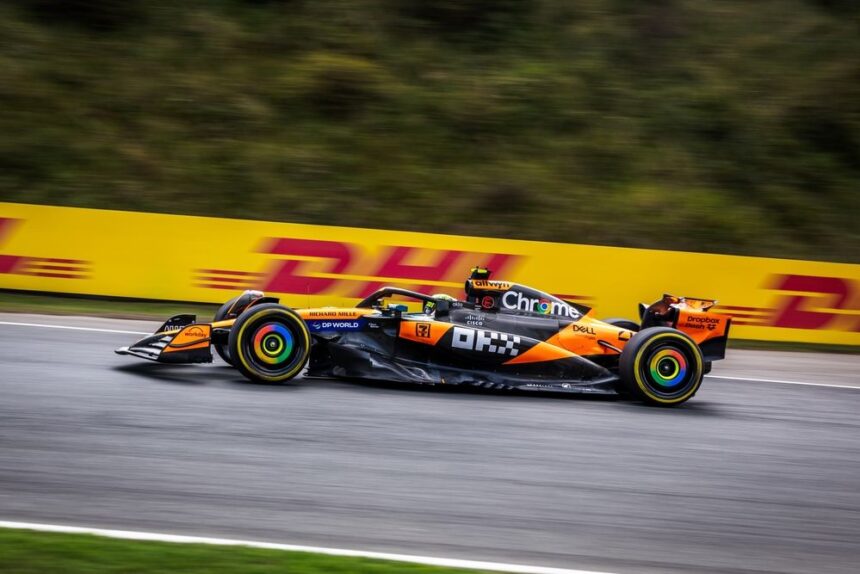
McLaren Racing has unveiled a multi-year partnership with Hedera Foundation, bringing a new level of innovation to its Formula 1 and IndyCar teams. As part of this agreement, the Hedera distributed ledger network will serve as an official sponsor, marking a significant step in the realm of digital collectibles that will be launched during F1 Grand Prix weekends. Notably, collectible items from Arrow McLaren IndyCar will make a return in the 2026 season, enhancing fan engagement.
The collaboration also features Hedera branding prominently displayed on McLaren F1 cars, driver race suits, and the vehicles of the IndyCar team. In a bid to make the digital collectibles approachable, McLaren has emphasized that fans need not possess knowledge of cryptocurrency to participate. Users will not be required to hold HBAR tokens or manage their own blockchain wallets, addressing the technical complexities that have previously deterred many potential enthusiasts from similar initiatives in the sports blockchain space.
One of the standout features of Hedera’s technology is its unique operational framework. The network utilizes hashgraph consensus, differentiating it from traditional blockchain architectures. This method allows for rapid transaction processing times, with reliable low fees—benefits that McLaren cited as instrumental in selecting Hedera over more established networks like Ethereum or Solana. Furthermore, Hedera’s governance structure, which involves a rotating council consisting of major global organizations including Google, IBM, Boeing, and Deutsche Telekom, contrasts sharply with decentralized models where governance is typically managed by token holders.
This partnership aligns McLaren with a trend seen in motorsport, where various teams have previously experimented with digital fan assets. Past NFT collections released during the cryptocurrency boom of 2021-2022 faced criticism for their high prices and ambiguous value, highlighting the challenges and scrutiny surrounding digital collectibles in sports.
In addition to its partnership with McLaren, Hedera has been actively engaging with the broader financial community. The network recently sponsored the USA House during the World Economic Forum Annual Meeting in Davos. This event gave Hedera a platform to participate in high-level discussions focusing on digital assets, artificial intelligence, and G20 coordination, alongside other industry leaders like Microsoft, McKinsey, and Ripple. The timing of this sponsorship, just one week prior to the McLaren partnership announcement, underscores Hedera’s ambitions of positioning itself strongly in a landscape increasingly focused on regulatory clarity and institutional engagement.
The financial specifics of the McLaren-Hedera deal have not been disclosed; however, McLaren has framed the partnership as one that could expand beyond just digital collectibles, potentially branching into areas such as ticketing and loyalty programs. This collaborative venture signifies a strategic alignment between cutting-edge technology and mainstream sports marketing, setting the stage for a new era of fan interaction in motorsport.