Millions of older Americans enrolled in Medicare are set to experience a groundbreaking new benefit: the coverage of obesity medications. Beginning Wednesday, eligible beneficiaries will have access to GLP-1 medications to aid in obesity treatment, with a monthly copay of only $50. This marks a significant shift in healthcare policy, potentially opening the door for a large number of older adults to access these vital medications, which were previously financially out of reach for many people aged 65 and older.
While Medicare Part D prescription drug plans already include coverage for some GLP-1s when prescribed for conditions such as diabetes and cardiovascular disease, federal regulations previously prohibited coverage exclusively for obesity. Medicare’s new Bridge demonstration program addresses this gap, at least temporarily, allowing coverage for eligible individuals who are overweight or suffer from conditions like prediabetes or uncontrolled hypertension.
As of recent reports, there were over 69 million Medicare recipients in the U.S., and millions are expected to seek out these drugs through the Bridge program, according to Chris Klomp, the director of Medicare and a deputy administrator at the Centers for Medicare and Medicaid Services (CMS). Additionally, estimates from pharmaceutical companies Novo Nordisk and Eli Lilly suggest that about 15 to 20 million older adults could qualify for these obesity medications.
However, the initial rollout of the program may face challenges. Healthcare providers are required to submit prior authorization requests to confirm that patients meet the necessary eligibility requirements. Some physicians have expressed concerns about the potential complexity of this process, while others anticipate that increased demand for these medications might overwhelm busy clinics and pharmacies. Furthermore, awareness of the new coverage option remains limited among the public.
A key point of contention surrounding the Medicare Bridge program is its temporary nature. Unless future administrations extend or reform this demonstration initiative, the coverage for obesity drugs is poised to expire after 2027. Making the availability of these medications permanent would necessitate legislative changes or at least agreements with private insurers to include them in their Part D plans. This uncertainty leaves patients in a precarious situation, particularly for those who may begin lifelong therapies that require continued access to these drugs.
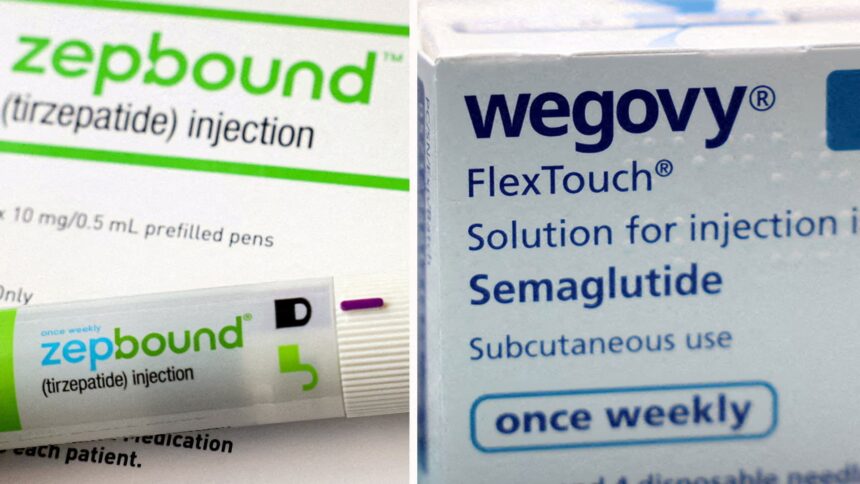
The new $50 copay for obesity medications is a significant reduction compared to what patients would typically pay if they had no coverage—often many hundreds of dollars per month. For example, Novo’s Wegovy can cost between $199 and $399, while Lilly’s Zepbound ranges from $299 to $699 per month, depending on the dosage. It is important to note, however, that the copayment does not count toward a patient’s Part D deductible or the annual out-of-pocket cap.
Eligibility for the Bridge program includes Medicare beneficiaries aged 65 and older with a body mass index (BMI) of 35 or higher, along with individuals demonstrating a lower BMI who also have conditions related to obesity, such as prediabetes or a history of heart disease. This broader eligibility criterion is expected to improve access to those who previously had no recourse for obesity treatment under Medicare.
The process for obtaining coverage under the Bridge program requires providers to send a prescription to a pharmacy, which prompts a prior authorization request. Once the request is approved, beneficiaries can pick up their medications at the pharmacy with the established copayment. The approved drugs under this initiative include Novo’s Wegovy in both injection and pill form, as well as Lilly’s Zepbound and its oral equivalent, Foundayo. However, beneficiaries already receiving GLP-1 prescriptions for other covered conditions continue to rely on traditional coverage.
Despite the potential benefits, experts warn that the program’s launch could lead to increased demand that strains healthcare resources. Many providers are already operating under high patient loads, and a flood of requests for obesity medications could compound existing issues, leading to delays in treatment. The CMS anticipates that prior authorization requests will be processed within 72 hours, and encourages electronic submissions to streamline the review process. Yet, concerns persist about whether Humana, the program’s administrative contractor, can adequately manage what may be millions of authorization requests.
The advent of this new coverage comes at a time when both Eli Lilly and Novo Nordisk stand to gain millions of new patients, further intensifying competition within the obesity drug market. While neither company has released revenue projections tied to the Bridge program, analysts expect the initiative to significantly increase demand for their respective drugs, possibly generating billions in annual revenue.
Looking ahead, the uncertainty surrounding the long-term future of the Bridge program creates apprehension among healthcare providers and patients alike. Experts emphasize that obesity treatments often require long-term commitment to prevent weight regain. Previous studies have shown substantial weight regain among those who discontinue the use of GLP-1 medications.
As a more permanent solution, some advocate for the Treat and Reduce Obesity Act, which aims to repeal Medicare’s longstanding prohibition against covering obesity drugs. Despite bipartisan support, progress has stalled due to concerns about associated costs. Yet, proponents argue that potential long-term savings from preventing obesity-related health issues could offset the initial expenditures, urging policymakers to consider the broader implications of such legislation.
In the meantime, Medicare will need to ensure clarity around which plans participate in the future program called Balance, intended to take over from Bridge. The continuation of drug access could be a matter of ensuring appropriate legislative or insurance frameworks are in place to support ongoing treatment options for beneficiaries experiencing positive outcomes with GLP-1 medications.