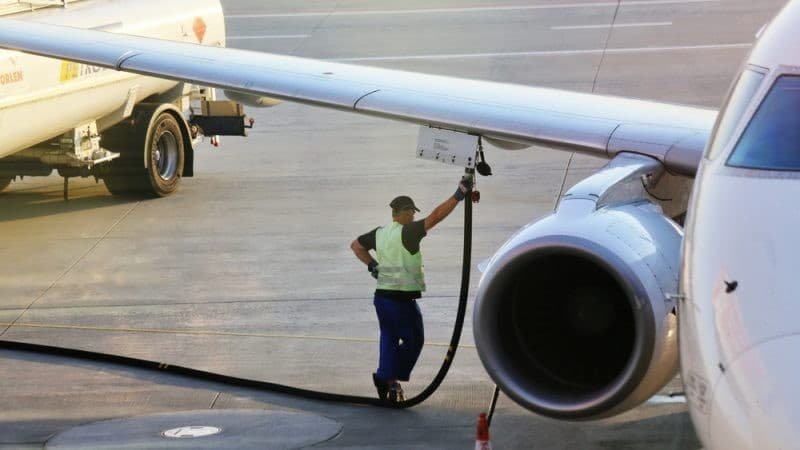
The ongoing crisis in the Middle East has triggered a significant surge in airline ticket prices, particularly affecting long-haul flights. According to the climate advocacy group Transport & Environment (T&E), passengers can expect to pay an additional $105, or 90 euros, per long-haul flight departing from Europe since the war’s onset.
The rise in ticket prices is not limited to long-haul routes; short European flights have also seen increases. However, the most substantial hikes are linked to long-haul travel, as European airlines confront a critical shortage of jet fuel. T&E highlights the profound impact of the Middle East crisis on the aviation industry, emphasizing how sensitive the sector is to political instability, primarily due to its heavy reliance on oil and jet kerosene sourced and transported through the region.
The campaign group’s analysis points out that the events unfolding in the Middle East reveal a severe weakness in European aviation’s dependency on fossil fuels, with the current situation posing a greater threat than climate regulations aimed at mitigating environmental impact. Analysts have raised alarms about the potential for actual jet fuel shortages in Europe in the coming weeks, a concern amplified by the accelerated closure of refineries over the last ten years and a heightened dependence on kerosene imports from the Middle East.
The war in Iran has resulted in a steep decline in European imports of jet fuel, compounded by the continuous reduction in local production over the years. Fatih Birol, executive director of the International Energy Agency (IEA), recently warned that Europe could have roughly six weeks of jet fuel supply remaining if current trends continue.
Northwest Europe has emerged as one of the most vulnerable regions in this crisis. Historical data indicates a noticeable drop in jet fuel imports this month, and further declines are anticipated in the weeks ahead. This downturn is projected to worsen, as increasing volumes of U.S. jet fuel shipments are being redirected towards Asia instead of the European market.
The evolving situation in the Middle East underscores the critical need for the aviation sector to reevaluate its energy sources and dependency, as well as highlight the broader implications for travel and transportation within Europe.