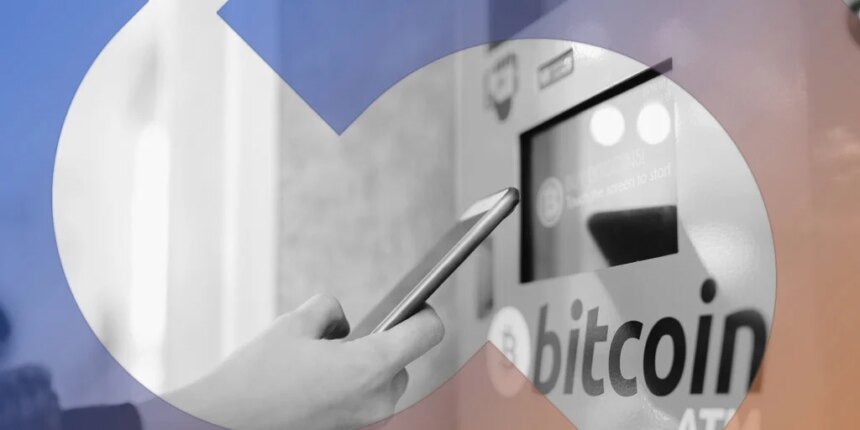
Lawmakers in Minnesota are currently deliberating a comprehensive ban on cryptocurrency ATMs, spurred by an alarming increase in scams targeting elderly residents. This legislative initiative, introduced on Monday by Rep. Erin Koegel, co-chair of the state’s House Finance and Policy Committee, aims to outlaw all physical machines that permit users to buy cryptocurrencies with cash.
The proposed bill, HF 3642, arises from ongoing concerns over the risks associated with crypto ATMs. Though Minnesota established a regulatory framework for these machines in 2024, imposing controls like a $2,000 daily transaction cap for new users and refund requirements, lawmakers are now seeking more drastic measures. If passed, this measure would represent a pioneering approach at the national level, aligning with sweeping bans implemented in other countries, including a notable example from New Zealand last year.
During a hearing on Thursday, law enforcement officials illustrated the devastating impacts of these scams. Older Minnesotans have reportedly lost tens of thousands of dollars to fraudsters who exploit the anonymity and accessibility of crypto transactions. One detective recounted a troubling case where a resident, fearing homelessness, sent Bitcoin to scammers on ten separate occasions within just six months, reducing her monthly income by half.
Current estimates indicate that there are approximately 430 crypto ATMs scattered throughout Minnesota, predominantly in the Minneapolis area, as reported by Coin ATM Radar. Last year, victims across the United States reported losses exceeding $333 million linked to these machines, according to the FBI.
Larry Lipka, General Counsel for CoinFlip, the operator of several crypto ATMs, acknowledged the company’s awareness of prevalent scams but pointed out that fraudsters have a variety of methods at their disposal. A letter from a police chief noted the significant challenges law enforcement faces in recovering funds once they are transferred, underscoring public safety concerns associated with crypto transactions.
Rep. Keith Allen highlighted the financial drain on rural communities, suggesting that millions of dollars could have been directed toward more productive endeavors. As discussions around a total ban unfold, prosecutors in other jurisdictions have also called for increased restrictions on companies involved with crypto ATMs, including major players like Bitcoin Depot.
Coinciding with this legislative push, Bitcoin Depot, North America’s largest Bitcoin ATM operator, announced plans to enhance its compliance procedures by requiring customers to provide personal identification for every transaction. This decision follows a lawsuit by the Massachusetts Attorney General, which accused the company of facilitating crypto scams and neglecting safeguards designed to protect consumers.
In response, Bitcoin Depot has defended its practices, asserting a commitment to compliance and consumer protection, as they continue collaborating with law enforcement to address illicit activities. As Minnesota grapples with these pressing issues, the outcome of the proposed ban could set a significant precedent for how crypto transactions are regulated across the country.