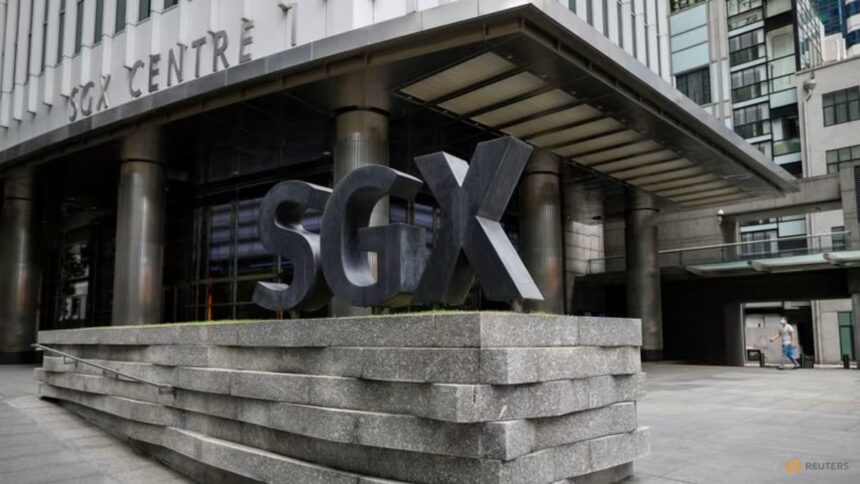
In Southeast Asia and the Pacific, countries such as Malaysia, Thailand, and Australia are witnessing a steady influx of liquidity into their local markets, primarily driven by domestically domiciled funds that are closely linked to domestic pension funds. This trend contrasts with recent developments in Singapore, where market volumes have experienced a notable decline, dropping from 38.6 billion shares in September to 29.3 billion shares in November. This decrease has raised concerns among market analysts regarding the sustainability of the current uptrend, particularly if the EQDP funds alone prove insufficient for long-term support.
Singapore’s daily liquidity currently hovers around S$1.5 billion, a figure that significantly lags behind several neighboring countries. Experts suggest that additional measures need to be considered to enhance market liquidity and attract more investors.
One potential avenue for improvement is the introduction of custodial services. Presently, the Central Depository Board is the only entity that safeguards Singapore-listed securities, which are held in individual investors’ names. This arrangement enables investors to access annual general meetings and exercise shareholder voting rights. However, brokerages are unable to provide this custodial service either in the open market or during initial public offerings (IPOs). Instead, they offer custodian accounts that manage shares on behalf of investors.
Experts believe that modifying the custodial responsibilities of brokers for Singapore-listed stocks could significantly augment market liquidity. Brokers have the capacity to support margin financing and collateralized trading, which could create more dynamic trading conditions. A recent review group within the government has indicated that facilitating the adoption of broker custody accounts could pave the way for enhanced investment services, including portfolio management and fractional trading options.
Such changes would also align Singapore’s practices with global standards, potentially attracting more internationally-active asset managers to partake in the local markets. The collaborative approach between governmental entities and financial institutions could thus be pivotal in revitalizing the liquidity landscape in Singapore, ensuring its competitiveness in the larger Southeast Asian and Australasian markets.