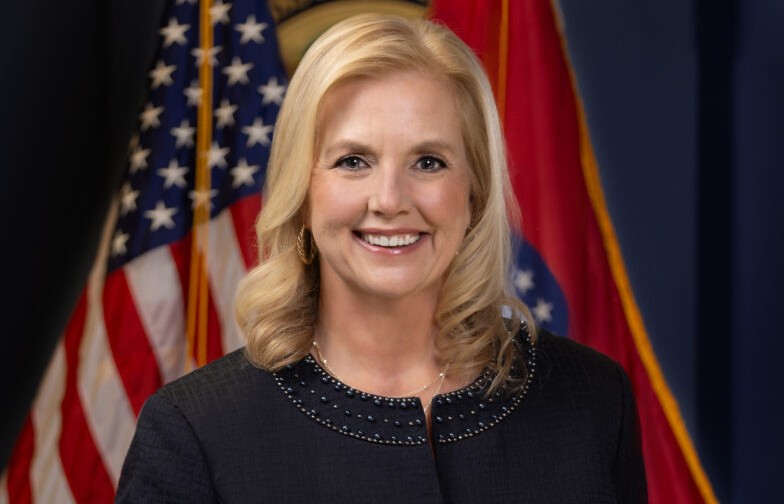
The Attorney General’s Office in Missouri is intensifying efforts to eliminate video lottery machines and tackle the unregulated hemp market, alongside scrutinizing certain Bitcoin operators for hidden fees. State Attorney General Catherine Hanaway expressed concerns that unregulated activities in these industries could foster organized crime in the state, highlighting the potential for billions of dollars to circulate in illegal venues.
Video lottery machines are prevalent in gas stations, bars, restaurants, and private clubs, generating significant profits for these establishments. This financial incentive has led to prolonged debates among state lawmakers regarding the regulation of these machines. Hanaway emphasized the necessity of enforcing existing laws to prevent a resurgence of organized crime, which has largely been absent from Missouri in recent years.
The investigation also extends to Bitcoin companies, where Hanaway is looking into allegations of excessive and hidden fees. Her office has launched inquiries into five companies operating in Missouri, demanding compliance with anti-fraud policies. Hanaway pointed out that neighboring Iowa has uncovered troubling evidence during similar investigations, noting a lack of legitimate transactions and a consistent pattern of fraud.
Recent FBI reports indicate that scams related to Bitcoin ATMs surged in 2025, with Americans suffering losses exceeding $333 million. Hanaway cautioned the public against these machines, emphasizing their potential to harm individuals financially. Instances where people inject large sums into these machines only to receive no Bitcoin or currency in return are becoming increasingly common. Scammers often target vulnerable populations, including the elderly, using deceitful narratives to solicit funds via Bitcoin.
Additionally, the Attorney General’s Office is targeting retailers for illegally selling hemp products. Hanaway revealed that some establishments openly market these cannabis items without proper licenses, creating a significant enforcement challenge, especially after the state legalized cannabis. Licensing is mandated for sales, akin to liquor regulations, and Hanaway’s office is collaborating with the Department of Health to identify and shut down non-compliant retailers.
Many of the unauthorized products closely resemble candy or regular food items but are chemically altered, posing substantial health risks. Reports of adverse effects, including severe intoxication or psychotic episodes, have spurred the office to require detailed information from smoke shops suspected of selling these potentially harmful products.
As Hanaway continues her aggressive stance on these issues, the overarching goal remains clear: to safeguard public health and maintain order in Missouri’s burgeoning marketplaces while mitigating risks associated with unregulated activities.