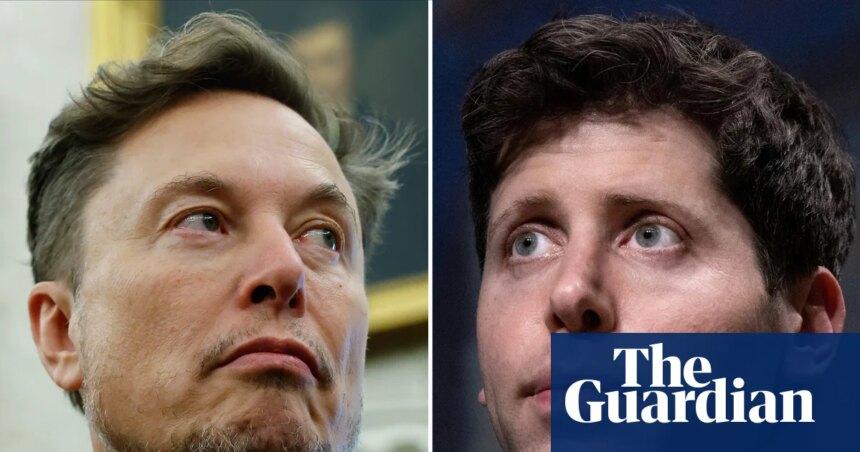
In a high-stakes trial unfolding on the fourth floor of a downtown Oakland courthouse, a dramatic clash between the world’s richest man, Elon Musk, and the founders of one of the most valuable startups, Sam Altman and Greg Brockman, has captivated observers with its mix of ambition, feud, and legal theatrics. The courtroom has become an arena of public spectacle, drawing fans, influencers, law students, and a range of onlookers vying for one of the limited seats available.
At the heart of the dispute is Musk’s claim that Altman and Brockman deceived him when they transitioned OpenAI from a non-profit organization to a for-profit entity. He alleges that they misappropriated his initial investment, transforming the firm into a highly profitable venture while unjustly enriching themselves. Musk’s complaint, which he first filed in August 2024, paints a picture of betrayal reminiscent of Shakespearean drama, framing his case in stark contrasts of altruism versus greed.
The proceedings have exhibited elements of courtroom theater rarely seen in legal battles, with Judge Yvonne Gonzalez Rogers commanding the court with a strict demeanor. Observers have witnessed her chastising lawyers for leading questions and irrelevant objections, while also managing the often egotistical behavior of billionaire witnesses. During his testimony, Musk quipped about his legal education when the judge asked him to refrain from giving legal opinions in his responses, prompting laughter from the courtroom audience.
In stark contrast to the contentious atmosphere inside, outside the courthouse, groups of protesters have assembled, brandishing banners that articulate their discontent regarding artificial intelligence. The trial has become a focal point for broader societal concerns about AI, with demonstrators calling for caution as tech leaders debate governance and ethics.
The anticipation surrounding the courtroom drama underscores the significance of the case not just for the parties involved but for the entire tech industry. OpenAI’s lawyer has dismissed Musk’s claims as nothing more than a “public attack” motivated by jealousy, asserting that Musk’s departure allowed him to abandon control over OpenAI. The judge has made it clear that personal grievances and social media provocations will not disrupt the legal process, illustrating her commitment to maintaining order and decorum.
As the trial progresses and more testimony unfolds from key figures in the tech world—including a scheduled appearance from Microsoft CEO Satya Nadella—the courtroom atmosphere remains charged with tension. The dynamics of wealth and influence are palpable, as the personalities involved exhibit a range of reactions under the scrutiny of the public eye.
The unique blend of legal conflict, celebrity presence, and societal implications has made the proceedings not only a focus of media attention but a reflection of modern dilemmas surrounding technology, power, and morality. As the trial nears its conclusion, questions linger about the future governance of AI as the landscape significantly shifts in response to the outcome of these climactic courtroom battles.