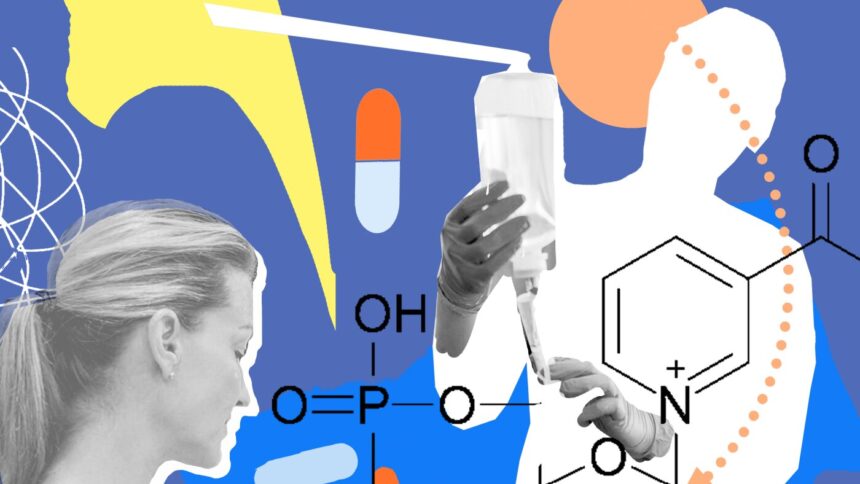
Recent excitement surrounding the compound nicotinamide adenine dinucleotide (NAD+) has led to a burgeoning market for various supplements and therapies. High-profile interest from celebrities and biohackers has fueled claims about NAD+’s potential to boost energy, combat aging, and enhance recovery. However, some researchers caution that the public enthusiasm may be getting ahead of the actual scientific evidence.
Christopher Martens, director of the Delaware Center for Cognitive Aging Research, points out the challenges of managing such hype. While the scientific community acknowledges NAD+ as a critical molecule involved in energy production and DNA repair, researchers emphasize that much of the current enthusiasm is based on animal studies rather than robust human trials. As Dr. Shalender Bhasin, director of the Boston Pepper Aging Research Center, notes, although the decline of NAD+ with age is a compelling hypothesis, conclusive benefits regarding its supplementation in humans remain largely unproven.
Research suggests that while NAD+ can significantly improve mitochondrial health in rodents, translating these effects to humans has not yielded similarly impressive results. Martens mentions that past studies in humans have primarily focused on NAD+ precursors — specifically nicotinamide riboside (NR) and nicotinamide mononucleotide (NMN). Even these trials, often small in scale, have produced mixed results, particularly in areas like metabolic health.
Despite the uncertain benefits, the market for NAD+ products continues to grow. Consumers are inundated with options, ranging from oral supplements priced between $30 and $80 to pharmaceutical-grade injections costing several hundred dollars. Wellness clinics are also promoting IV infusions for NAD+ enhancement, which can range from $200 to over $1,000 per session, yet many of these procedures lack supporting data from well-controlled studies.
The inconsistency in product quality is another concern. Many products on the market may not contain the amounts listed on their labels, raising skepticism about their efficacy. Dr. Samuel Klein from Washington University echoes this sentiment, urging caution around the use of NAD+ supplements due to the potential for benefits that have not been thoroughly studied in humans.
Rachel Pojednic, chief science officer for Restore Hyper Wellness and a nutritional biochemist at Stanford University, offers a more optimistic perspective. While acknowledging that research is still in its early days, she suggests there is a wealth of data emerging from reputable scientific circles, which merits further exploration.
However, the issue of safety cannot be overlooked. Preliminary trials have indicated that NAD+ precursor supplements like NR and NMN appear safe, but some animal studies have raised questions about the possibility of increased tumor growth. While these concerns have not been substantiated in human studies, long-term risks remain uncertain.
In conclusion, while there is potential for NAD+ research and its applications in aging and health, experts warn that current products may not deliver the promised benefits for the average consumer. As the market continues to expand, it is crucial for consumers to remain informed and skeptical until more definitive evidence is made available through larger, long-term human trials.