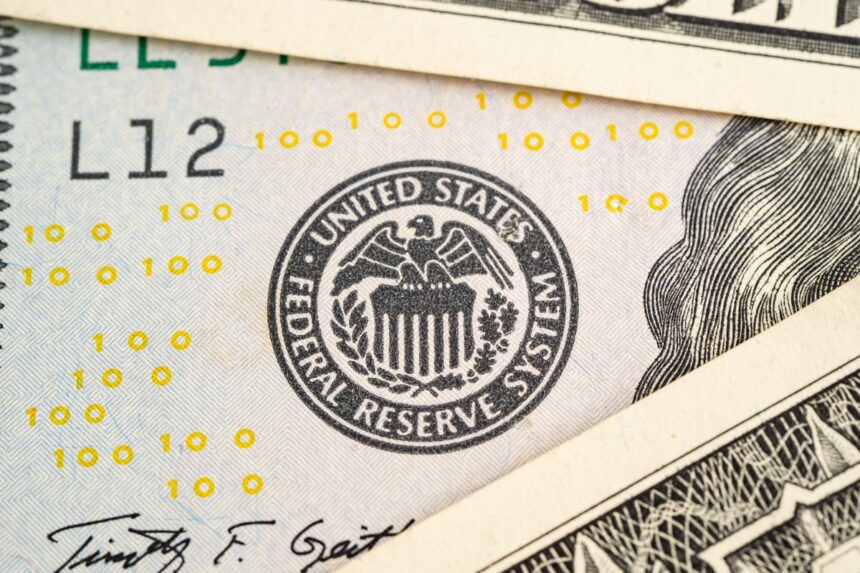
The stock market has experienced a remarkable surge in recent months, driven primarily by excitement surrounding artificial intelligence (AI). Since its low on March 30, the S&P 500 has soared by 18%, while the Dow Jones Industrial Average has increased by 12%. The Nasdaq Composite has led the way with a staggering 28% gain during this same timeframe. However, investors may soon face new challenges with the recent confirmation of Kevin Warsh as the new chairman of the Federal Reserve.
Although Warsh is viewed as a dove, advocating for rate cuts, his overall approach to monetary policy is more complex than it initially appears. One of the significant aspects of Warsh’s agenda involves the management of the Fed’s balance sheet, which could have far-reaching implications for the stock market, particularly for the ongoing bull market that began under the Trump administration.
Warsh’s tenure could usher in a new era of quantitative tightening (QT), a process that stands in stark contrast to previous years of quantitative easing (QE). As of now, the Fed’s balance sheet, consisting largely of Treasuries and mortgage-backed securities, amounts to approximately $6.7 trillion—an increase from around $800 billion prior to the 2008 financial crisis. Under QE, the Fed injected cash into the economy, effectively lowering interest rates. Conversely, QT involves the reduction of the Fed’s balance sheet, leading to higher rates.
Warsh has expressed his concerns over what he describes as a “bloated” balance sheet and has advocated for a reduction to pre-2008 levels. While he moderated some of his language during the confirmation process, it remains uncertain how aggressively he will pursue QT. A significant shift in balance sheet policy could lead to situations where short-term rates are decreased while long-term rates and borrowing costs rise, creating a paradoxical situation for investors and companies alike.
The recent rally, although robust, could be jeopardized by potential increases in borrowing costs, particularly as the market’s appetite for risk may wane. Higher rates typically lead to reduced investment in equities as safer assets like Treasuries start offering more attractive yields. As capital-intensive projects, particularly in the AI domain, require substantial funding, the reliance on debt could complicate financial strategies for many companies.
For instance, large tech firms such as Amazon and Alphabet are already investing heavily in AI infrastructure, but rising borrowing costs might impede their growth. Consequently, the very investments that have fueled rampant market enthusiasm could become less financially feasible if capital costs continue to increase.
In summary, if Warsh moves forward with ambitious plans to reduce the Fed’s assets, it may trigger a significant shift in market dynamics. Investors could find themselves in a perplexing scenario where short-term interest rates are lowered, yet long-term financing costs rise, potentially signaling the end of the Trump-era bull market in stocks.