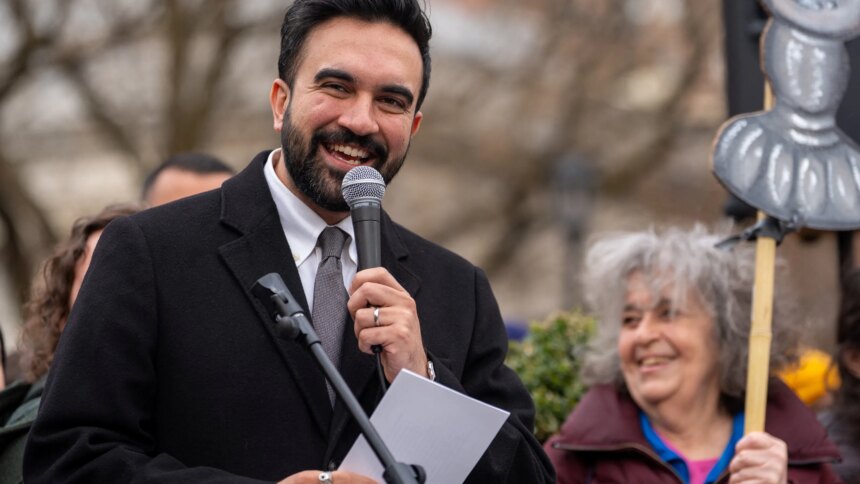
New York City is witnessing a significant push by Mayor Zohran Mamdani as he seeks to implement a new pied-à-terre tax, aimed at wealthy individuals who own luxury second homes in the city but do not reside there full-time. This initiative, touted as part of Mamdani’s broader “tax the rich” campaign, gained attention alongside New York Governor Kathy Hochul, who supports the plan aimed at generating an estimated $500 million annually in tax revenue.
The proposed tax would specifically target luxury condominiums, co-ops, and townhouses valued at $5 million or more. It is designed to levy an annual surcharge on properties that are not primary residences. This initiative addresses the growing concern that ultra-wealthy individuals benefit from the city’s services and infrastructure while contributing minimally to its financial upkeep.
Unlike mansion taxes, which are typically one-time transfer taxes applied during property sales above a certain price threshold, the pied-à-terre tax would be an ongoing annual charge based on the occupancy status of the property. Mansion taxes are often applied uniformly, regardless of whether the property is primary or secondary, while the new tax focuses solely on residential properties that remain vacant for significant portions of the year.
Despite the push for this innovative tax structure, no state in the U.S. currently has a pied-à-terre tax akin to that proposed by Mamdani. Similar ideas have been floated in various states for years but have consistently faced legal challenges and pushback from real estate interests. In the past, New York City considered a pied-à-terre tax in 2019, but the proposal faltered amid opposition from the real estate sector and labor unions representing building staff.
Currently, seven states and Washington D.C. have implemented some form of mansion or luxury transfer tax. These taxes vary widely; New Jersey imposes a 1% tax on homes sold for over $1 million, while Washington D.C. levies a charge of $1 per $100 of a residential property’s assessed value for homes priced at or above $2.5 million.
Mamdani’s tax plan, while ambitious, awaits further legislative approval as part of the state budget process. The proposal’s success hinges on negotiations between the governor and legislative leaders, which complicates opposition efforts, particularly from influential groups like the Real Estate Board of New York.
Supporters argue that the tax is necessary for closing budget gaps and ensuring that high-value property owners contribute their fair share to the city’s finances. As discussions unfold, the outcomes could set a significant precedent for how luxury real estate is taxed in urban areas across the United States.