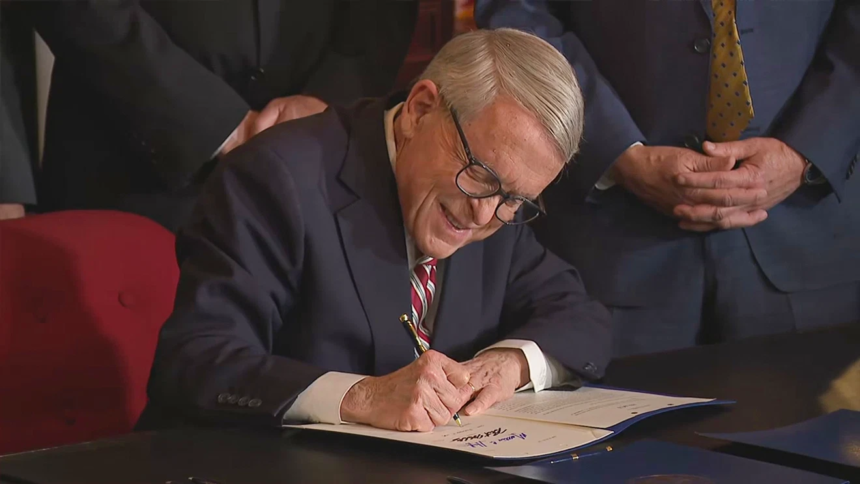
The Ohio Department of Medicaid has announced a significant measure to address concerns surrounding potential fraud within its system, with the suspension of payments to 49 high-risk home health providers flagged for unusual billing patterns. This action was made possible through an executive order issued by Governor Mike DeWine, which allows for the enactment of emergency rules to expedite the financial suspensions.
According to ODM Director Scott Partika, these suspensions represent a critical initiative aimed at ensuring accountability and deterring fraudulent activities within the Medicaid framework. “We will continue using advanced analytics and enforceable action to protect Ohioans and preserve program integrity,” Partika stated in the announcement.
The suspensions are based on new analytics tools that have identified billing inconsistencies among the providers. While their payments are on hold, these organizations will undergo thorough investigations to determine the legitimacy of their practices. This initiative underscores Ohio’s commitment to safeguarding taxpayer dollars and maintaining the integrity of its Medicaid program.
Governor DeWine’s executive order includes a broader strategy designed to mitigate risks in the system. Key components of this strategy comprise enforcing a six-month moratorium on new enrollments for high-risk provider categories, requiring more frequent re-evaluation of those providers, and accelerating the implementation of GPS-based Electronic Visit Verification (EVV) to enhance monitoring of in-home services.
The Ohio Department of Medicaid’s multi-faceted approach incorporates rigorous provider screening, real-time analysis of billing practices, and collaboration between agencies to quickly identify and interrupt fraudulent activities. Continuous monitoring of high-risk providers will be a pivotal part of the strategy moving forward.
The emergency rule, established under Executive Order 2026-02D, has been put in place to address the pressing need to prevent fraudulent claims before payments are disbursed. Previously, the lack of such measures posed risks of service disruption for vulnerable populations reliant on Medicaid services.
Specifically, Rule 5160-1-17.51 outlines several critical points: the conditions under which provider payments can be suspended due to credible allegations of fraud; the expectations for provider cooperation during investigations; and the procedures for notifying parties of the suspensions, as well as the criteria for reinstating payments once any allegations are resolved.
This rule will take effect upon being filed with relevant state authorities and will remain in effect for 120 days or until it is formalized through the standard rulemaking process. The proactive steps taken by the Ohio Department of Medicaid aim not only to protect the state’s health care resources but also to ensure that the program continues to serve those who genuinely need assistance effectively.