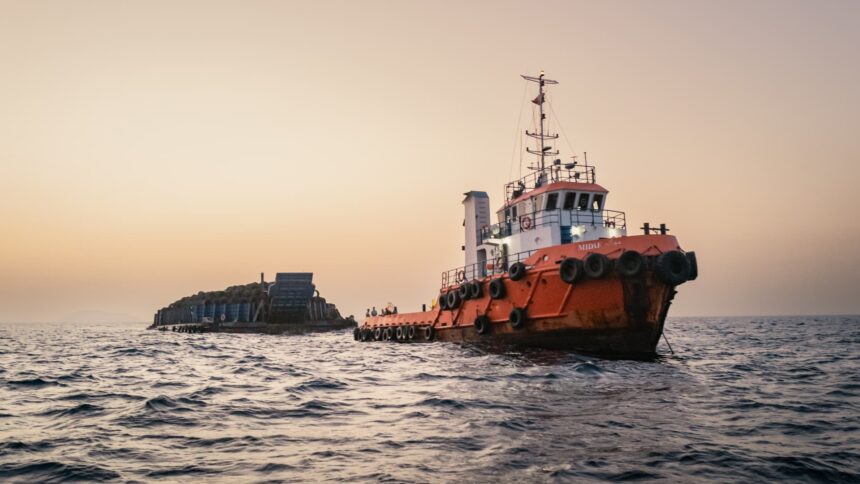
Oil tankers and cargo vessels continue to anchor off Port Sultan Qaboos in Muscat, Oman, as tensions escalate in the region. The Strait of Hormuz, a critical shipping lane for the region’s oil and gas, has effectively been blockaded since the outbreak of hostilities between the United States and Iran at the end of February.
In a significant diplomatic move, U.S. Vice President JD Vance arrived in Switzerland for high-level negotiations with an Iranian delegation. These discussions aim to clarify the terms surrounding a potential cessation of the ongoing conflict. The engagement comes amid rising tensions fueled by renewed military strikes between the U.S. and Iran, which have contributed to increasing concerns over crude oil supplies from the Middle East.
In light of these events, oil prices have experienced a slight uptick. West Texas Intermediate futures rose by 1.3%, reaching $70.17 a barrel, while International Brent increased by 0.78% to $72.55. This follows a notable dip, with WTI futures settling below $70 for the first time since the onset of hostilities on February 27.
Amid claims of escalating clashes, U.S. officials communicated that both parties would momentarily pause hostilities, allowing commercial vessels to navigate the vital Strait of Hormuz without obstruction. A U.S. official noted that “technical talks are slated to continue on all areas of the MOU,” indicating a willingness to explore avenues for peace.
Tensions flared dramatically over the weekend when U.S. military forces targeted various Iranian assets following a drone strike on the Panamanian-flagged tanker, M/T Kiku, which was transporting over two million barrels of crude oil. Neighboring countries, including Kuwait and Bahrain, reported missile and drone activity in the aftermath of the strikes, pointing to the broader implications of the conflict.
In a pointed warning, U.S. President Donald Trump criticized Iran’s actions, threatening “devastating consequences.” In a post on Truth Social, he stated that U.S. aircraft had struck Iranian missile and drone storage sites, highlighting the seriousness of Iran’s violations of the ceasefire agreement. Trump asserted that continued provocations might compel the U.S. to escalate its military response, suggesting dire consequences for Iran.
The U.S. Central Command reported that fighter jets had attacked ten Iranian military targets in and around the Strait of Hormuz in retaliation for the drone strike targeting the Kiku. As the situation remains fluid, the international community watches closely for developments, hoping that ongoing talks may pave the way for a resolution to the conflict that threatens regional stability and global oil markets.