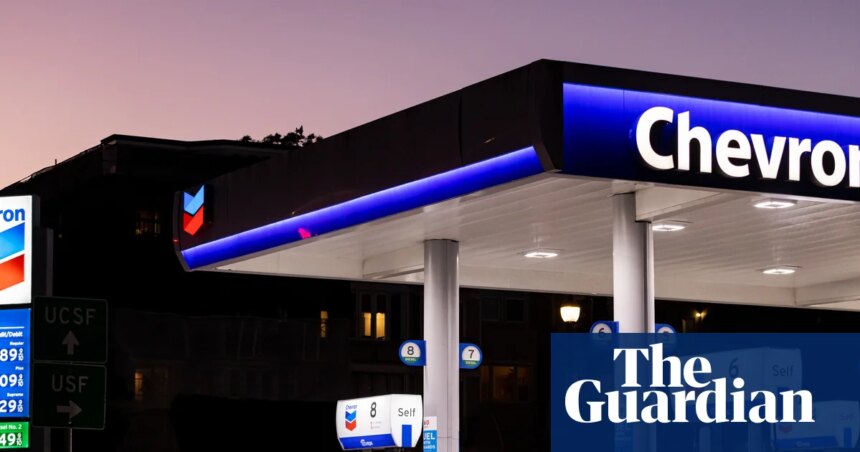
America’s benchmark oil contract, West Texas Intermediate (WTI), experienced a significant surge late on Sunday, escalating by 7.5% to reach $90.17 per barrel. Meanwhile, the international oil benchmark, Brent North Sea crude, rose 6.5%, hitting $96.27 per barrel. This dramatic increase followed a tense escalation in the Gulf of Oman, where Iran accused the United States of violating a ceasefire that had been in effect since early April.
The situation intensified when the USS Spruance, a US Navy destroyer, fired upon an Iranian-flagged cargo ship that allegedly attempted to evade the US naval blockade. The Gulf region is critical for global oil and liquefied natural gas transportation, and with the Strait of Hormuz virtually closed since the beginning of the US-Israeli conflict with Iran, the geopolitical implications are vast.
In a related development, former President Donald Trump revealed that the US military had taken custody of an Iranian-flagged container ship attempting to breach the American blockade near the Strait of Hormuz. Trump made this announcement on the same day, further heightening tensions between the countries.
Reports indicate that Tehran is not currently considering new talks with the United States, as stated by Iranian state media on Sunday evening. This announcement came just hours after Trump revealed plans to send negotiators to Pakistan, possibly aiming to mediate the situation.
In domestic affairs, energy prices remain a topic of concern. During an interview with CNN’s Jake Tapper, Energy Secretary Chris Wright discussed the outlook for gas prices, suggesting that a return to under $3 per gallon may not occur until 2027, or possibly even later this year. This assessment underscores the ongoing challenges associated with fluctuating oil prices influenced by geopolitical events.
Additionally, political tensions surfaced domestically as Republican Senator John Kennedy from Louisiana criticized Trump’s confrontational rhetoric toward the Pope amid the escalating conflict with Iran. Kennedy, a long-time supporter of the former president, expressed his disapproval, stating, “I love the president like a taco. I don’t always agree with him, but I think he wants a better world. But I don’t agree with him about this new holy war with the pope.”
In a response to the rising tensions between the US and Iran, Pope Leo XIV clarified that he did not intend to engage in a debate with Trump regarding the conflict. He emphasized that his mission is to promote a message of peace rather than to engage in political discourse.
As developments continue to unfold in both international relations and energy markets, the world watches closely, aware of the potential repercussions for global stability and economic health.