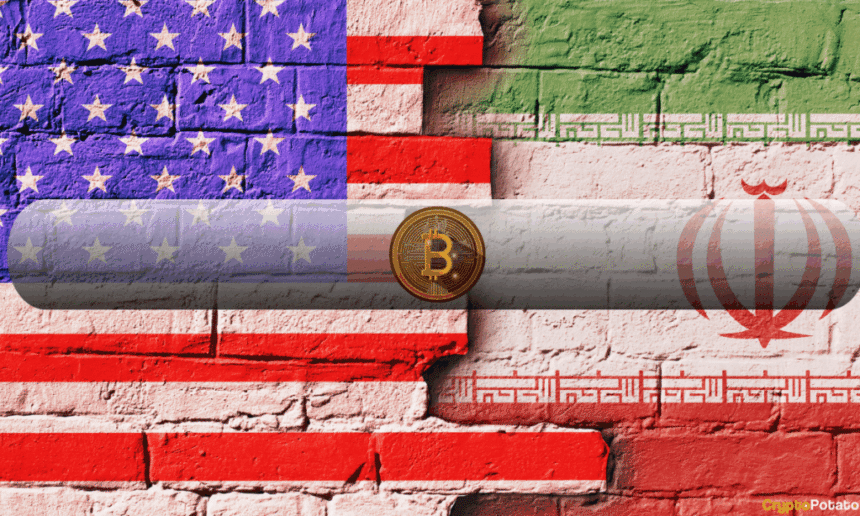
Oil prices surged by as much as $10 per barrel following the abrupt closure of the Strait of Hormuz by Iran over the weekend. This significant spike in oil prices highlights the ongoing tensions in the region and the impact of geopolitical conflicts on global markets.
The weekend was marked by a series of conflicting statements from both the U.S. and Iran regarding the status of a ceasefire and potential peace talks. Tensions escalated as both nations resumed hostilities against one another just hours after a brief renewal of the ceasefire.
The exchanges became more severe when U.S. President Donald Trump took to social media to announce the interception of an Iranian-flagged cargo ship, the Touska, by the USS Spruance, a guided missile destroyer. Trump stated that the ship was warned to stop but refused to comply, leading the U.S. Navy to take action by allegedly damaging the vessel. According to Trump, U.S. Marines are now holding the Touska in custody, citing its previous involvement in illegal activities under U.S. Treasury sanctions.
In a swift response, Iran claimed to have retaliated against U.S. military ships using drones, further escalating the situation. This series of attacks occurred after Iran initially reopened the Strait of Hormuz on Friday but decided to close it again shortly thereafter, attributing the decision to the ongoing U.S. naval blockade.
Amidst these developments, the U.S. had initially indicated that peace talks would recommence on Monday; however, Iran quickly denied any such plans. Iran also dismissed previous claims made by Trump, which included statements about halting its uranium enrichment program.
The situation has deteriorated dramatically over the last 48 hours, with several key events unfolding:
1. Iran closed the Strait of Hormuz.
2. The U.S. announced potential peace talks; Iran refuted those plans.
3. Accusations surfaced, with Iran alleging that the U.S. is preparing a surprise attack.
4. Military operations ensued, resulting in the U.S. seizing the cargo vessel.
Financial markets responded to these hostilities with notable volatility. The cryptocurrency market, operational 24/7, experienced a downturn, with Bitcoin’s value dropping from a peak of $78,400 to below $74,000. Meanwhile, U.S. stock market futures opened lower, reflecting a loss of around 1%. In a stark contrast, crude oil prices saw a remarkable increase of over 8%, with WTI and Brent oil prices soaring, evidencing a rise of approximately $10, pushing WTI up to $89 per barrel.
Analysts anticipate continued market volatility in the upcoming days as the ceasefire appears increasingly unstable. The renewed attacks have complicated the prospects for peace talks, leaving many observers concerned about the potential ramifications on both regional stability and the global economy.