Oil prices experienced a significant surge following missile strikes from Iran directed at Israel, heightening concerns about the stability of a recently established cease-fire in the Middle East. This escalation comes in the wake of Israeli military actions aimed at Hezbollah, an Iranian-supported militant organization, in the outskirts of Beirut.
According to reports from the Israeli military, Iran fired at least three waves of missiles into Israel, marking the first overt military aggression since the cease-fire was implemented two months ago. Analysts worry that this provocative move could rekindle ongoing hostilities, further complicating an already volatile geopolitical landscape.
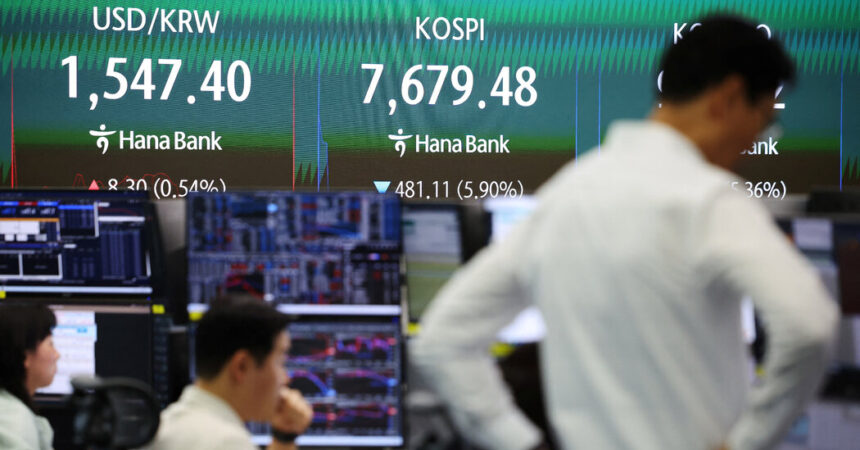
In financial markets, the situation has had a ripple effect, with stocks across Asia taking a considerable hit amidst rising tensions. Investors are exhibiting caution, particularly retreating from shares related to artificial intelligence, which had previously seen substantial gains. South Korea’s benchmark KOSPI index, which has stood out as the best-performing major stock market globally this year, plummeted by 8 percent. Trading was ultimately suspended to manage the market’s volatility.
As the region grapples with these unfolding events, both oil markets and Asian equities reflect a broader sense of unease that could influence global economic conditions in the near future. The international community is closely monitoring developments, as the interplay between oil prices and regional stability continues to shape economic forecasts.