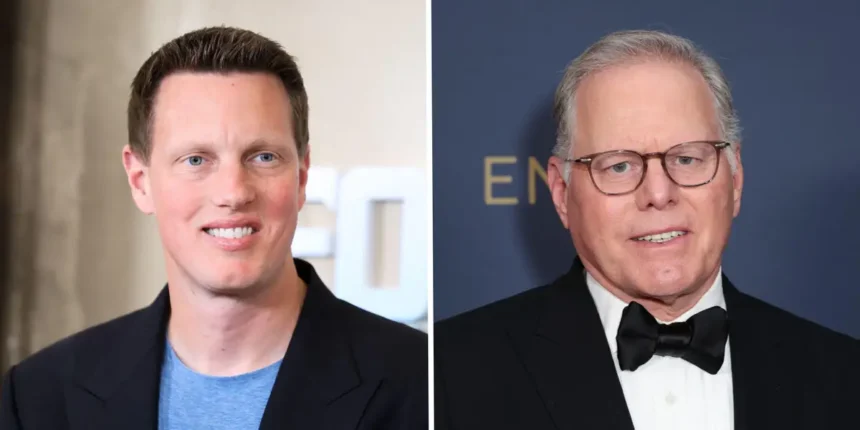
In a bold strategic move, Paramount, under the leadership of CEO David Ellison, has officially made an offer to acquire Warner Bros. Discovery (WBD) ahead of the media giant’s self-set deadline. This development comes amid a competitive landscape, as both Comcast and Netflix are also reportedly exploring bids for WBD’s streaming and studio operations.
If successful, this acquisition would mark the largest merger in the media industry since Disney’s acquisition of Fox’s entertainment assets in 2019. Analysts believe Ellison’s connections, particularly with former President Donald Trump, could provide an advantage in navigating potential antitrust issues that typically accompany such large-scale mergers. Legal expert Corey Martin highlighted that the current political climate may favor Ellison’s bid, contrasting it with a more challenging environment under the previous administration.
Trump’s previous praise for Ellison and the latter’s recent attendance at a White House event for Saudi Arabia’s Crown Prince suggests a favorable rapport, which could bolster Paramount’s position in the acquisition process. Despite Ellison’s claim that he wishes to keep politics separate from Paramount’s agenda, his decisions, such as appointing the politically charged Bari Weiss as editor at CBS News, have stirred discussion within media circles.
Financial analysts suggest Paramount is the most viable contender to absorb WBD, given its aggressive pursuit of a deal and clearer financing strategies. After WBD announced it was open to offers in late October, any prospective acquisition would need to overcome not just financial hurdles but also political and regulatory challenges.
Comcast and Netflix’s interest in WBD seems more limited. Comcast is currently divesting through a spinoff of its cable assets, while Netflix has expressed reluctance to engage in significant mergers, focusing instead on retaining its existing content strategies.
Despite the potential advantages for Paramount, there are inherent concerns among its employees regarding the implications of a merger. Layoffs have already been a recurring theme within the company, with expectations that upcoming cuts may further impact workplace morale. Furthermore, the implications of a merger could raise scrutiny from antitrust regulators, particularly regarding how it might affect labor markets and consumer pricing.
While the industry buzzes with speculation, there remains a sense of urgency for Paramount to secure the WBD deal. Experts have pointed out that if WBD opts to split its assets next summer, it could lock them into a two-year period with hefty tax penalties for potential buyers, delaying future transactions. Thus, the window for a deal may be narrowing for Ellison, who seeks to position Paramount as a competitive force in an increasingly tech-dominated media landscape.
Analysts envision that a successful merger could elevate Paramount’s streaming capabilities by combining its offerings with HBO Max, subsequently enhancing its standing against formidable rivals like Netflix. Ultimately, the stakes are high, and the outcome of this bid could significantly reshape the landscape of the media industry.