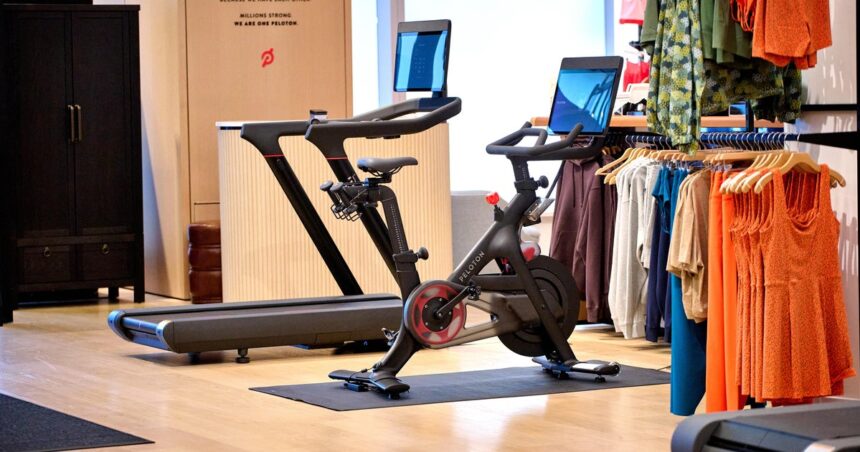
Peloton, known for its internet-connected fitness equipment, is embarking on a significant revamp of its product lineup, incorporating advancements in artificial intelligence. On Wednesday, the company unveiled updated versions of its key products, including the Bike, Bike+, Tread, Tread+, and announced a new rowing machine, alongside enhancements to its software and coaching capabilities.
This strategic pivot comes in response to falling demand after the pandemic, which had previously propelled Peloton’s popularity. The resurgence of outdoor fitness activities and gym memberships has taken a toll on the company, leading to leadership changes and workforce reductions that failed to reinvigorate its brand.
One of the cornerstone features of Peloton’s updated offerings is “Peloton IQ,” an AI-driven platform designed to provide personalized workout recommendations for users. CEO Peter Stern highlighted this launch as “the start of a new chapter for Peloton,” emphasizing the integration of cardio and strength training through their new Cross Training Series. The update aims to transform how users engage with their fitness routines, enhancing their overall wellness journeys.
Each piece of updated hardware now includes a new swivel screen, allowing users to switch easily between cardio, strength training, yoga, and meditation sessions. However, along with these enhancements, Peloton announced increases in equipment and membership pricing. The monthly cost for an “All-Access Membership” will rise from $44 to $49.99, while the App+ Membership will increase from $24 to $28.99. Other membership levels will also see price hikes, including the App One, which will go from $12.99 to $15.99.
As for the equipment, the changes in pricing are substantial. The Bike will now cost $1,695, increasing from $1,445; the Bike+ will be priced at $2,695, up from $2,495; the Tread will rise from $2,995 to $3,295; and the Tread+ will escalate from $5,995 to $6,695. The new Row+ will replace the previous model, with a price set at $3,495, a jump from the earlier Row’s price tag of $3,295.
Financially, Peloton showcased challenges in its recent performance report for the fiscal year ending June 30, indicating nearly 2.8 million paid subscribers—a slight decline from nearly 3 million in the previous year. The company reported a net loss of $118.9 million on revenue of $2.5 billion, starkly contrasting with a larger loss of $551.9 million on revenue of $991.7 million from the prior year.
In August, Peloton also announced a workforce reduction of 6% to streamline operations, amid mounting financial pressures. The company’s stock, which once soared above $170 in 2021, plummeted to $8.17, reflecting a 9% decline in just one day. As Peloton attempts to navigate these tumultuous times, the integration of cutting-edge technology and increased prices signals a significant shift aimed at reclaiming its position in the competitive fitness market.