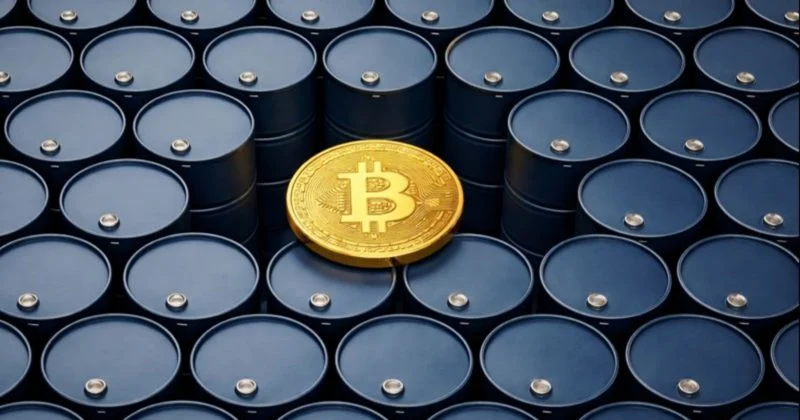
Potential U.S. interventions in Venezuela’s oil sector could have far-reaching implications for global oil prices and macroeconomic conditions, which may also influence the cryptocurrency market, particularly Bitcoin. Analysts from Bitfinex recently stated that the deployment of U.S. oil companies into Venezuela could significantly increase oil supply, potentially lowering crude prices and creating a more favorable economic environment.
The anticipated involvement of firms like Exxon and Conoco could add an additional 1 to 2 million barrels of oil per day to the global market, leading to a substantial decrease in West Texas Intermediate (WTI) prices, potentially dropping them below $60 per barrel. This influx of supply could further enhance the disinflation trend, easing inflation concerns that were around 2.7 percent year-on-year as of November 2025. Analysts suggest that lower energy prices would improve liquidity conditions and foster a more risk-friendly sentiment in the markets, historically beneficial for Bitcoin.
Currently, Bitcoin is trading near $94,000, reflecting a 7% increase over the last week, driven by expectations of decreased energy costs and favorable financial conditions. Such lower energy prices could also significantly reduce Bitcoin mining expenses, thereby improving network economics and supporting the growth of Bitcoin Exchange-Traded Funds (ETFs).
From a structural standpoint, decreasing energy costs would enhance Bitcoin’s economics, reinforcing the asset’s scarcity narrative amid ongoing fiat currency expansion. Analysts argue this scenario could potentially pave the way for Bitcoin to reach new all-time highs.
However, challenges loom on the horizon. Sanctions and political instability in Venezuela pose risks of short-term market volatility. Meanwhile, the potential for crypto assets to be integrated into global financial systems could accelerate, especially if there is a seizure of Venezuelan digital assets. The country’s historical attempts to incorporate cryptocurrency into oil settlement mechanisms suggest a growing convergence between energy resources and digital assets.
Analysts remain watchful of these developments, emphasizing the intricate relationship between geopolitical events, commodity markets, and the evolving landscape of cryptocurrencies.