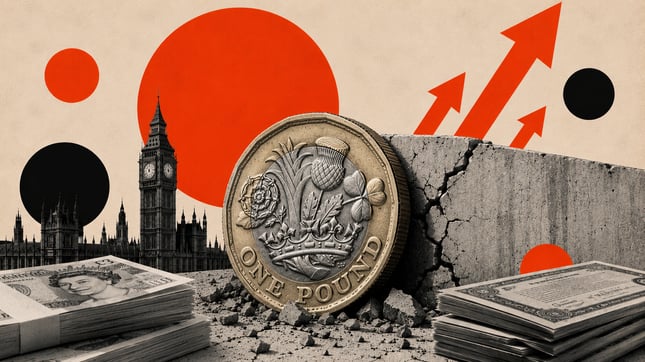
The Pound has shown signs of recovery, rebounding off a long-term support line that has repeatedly held firm near its seven-month lows. This uptick has brought the currency closer to a cluster of moving averages overhead. However, experts suggest that this movement largely reflects the state of the US Dollar rather than any inherent strength in the Pound itself. A disappointing US jobs report has primarily driven this shift, allowing the Pound to benefit from the weakening Dollar, rather than demonstrating any newfound demand for the currency.
Recent data revealed that the Nonfarm Payrolls (NFP) in June fell to just 57,000 jobs added, significantly lower than the expected 110,000. This development has reignited concerns about the potential for further tightening by the Federal Reserve, resulting in a general decline in the Dollar’s value. Consequently, GBP/USD has gained traction largely due to this fluctuation in the greenback, rather than any significant shifts in UK economic sentiment.
In addition to external economic factors, the political landscape in the UK remains a significant influencer on currency movement. The resignation of Prime Minister Keir Starmer in late June has plunged the Labour party into a leadership contest, with Greater Manchester Mayor Andy Burnham emerging as the frontrunner. Concerns surrounding fiscal credibility regarding government spending and taxation have led to a sustained political risk premium on the Pound and UK government bonds. While Burnham’s commitment to fiscal responsibility has eased some investor fears, the absence of a stable government complicates any potential for a robust rally in the Pound.
The Bank of England also plays a role in providing some level of support for the Pound. Current interest rates remain at 3.75%, following a split on the Monetary Policy Committee where some members have voiced hawkish sentiments. Although the BoE Governor has maintained a cautious and patient approach, the market is still pricing in the possibility of a rate hike in late July. This mixed messaging creates a complex landscape for currency traders, where US economic performance continues to overshadow UK monetary policy.
Looking ahead, the upcoming week appears to be US-centric, with a series of significant economic indicators set to be released. A speech by the BoE Governor is scheduled for Friday, where a dovish tone could stifle the current upward movement of the Pound. With US markets closed for Independence Day, subsequent data releases from the United States will likely dictate the near-term trajectory of GBP/USD. Key reports include the Institute for Supply Management (ISM) services survey, Federal Open Market Committee (FOMC) minutes, and weekly jobless claims, all poised to resonate through the currency markets.
From a technical perspective, the Pound is facing immediate resistance due to a concentration of moving averages just above current levels, with particular attention on the 50-period Exponential Moving Average around 1.3350 and the 200 EMA near 1.3400. While momentum indicators suggest a short-term push upwards, success will hinge on maintaining daily close levels above these benchmarks. Conversely, long-term support sits at approximately 1.3200, critical for defining the overall market setup; a decline below this threshold could expose the Pound to further downward pressure.
In summary, while the Pound has benefitted from a softer Dollar, its near-term fate seems closely linked to US data rather than internal British dynamics. Given the uncertainties tied to both political leadership and monetary policy, traders are advised to keep a close watch on the evolving economic landscape.