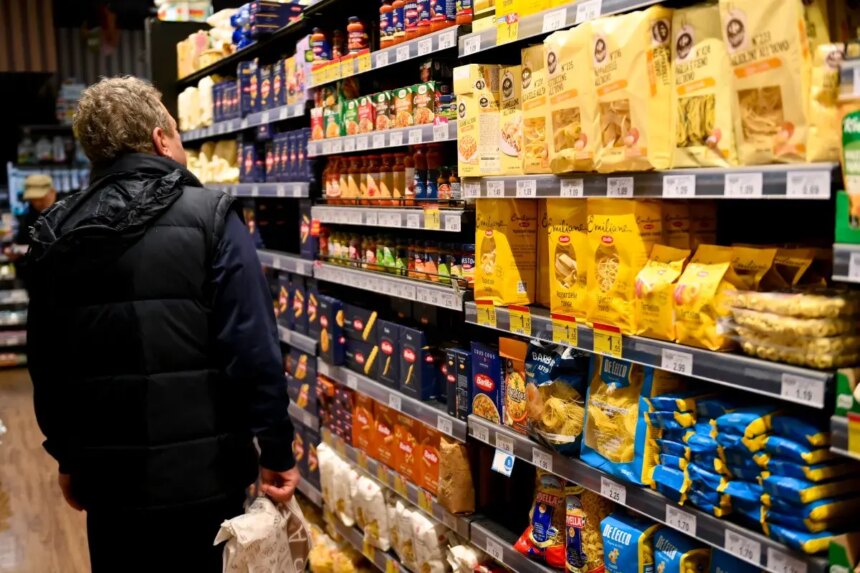
Several popular imported pasta brands could vanish from American grocery shelves if proposed tariffs introduced by the U.S. government take effect, according to multiple reports. The proposed 107% total tariff on imported Italian pasta could lead to significant increases in consumer prices and a potential lack of availability of some of the most recognizable brands.
Should these tariffs be implemented, they would set a precedent as the highest duty ever imposed on a food import from Italy, jeopardizing the diversity, affordability, and accessibility of authentic Italian pasta for American consumers. The situation arises in the context of an anti-dumping investigation initiated by the Department of Commerce, which is examining whether Italian pasta producers are exporting at rates that unfairly undercut U.S. companies.
Industry experts have voiced concerns that such tariffs could double prices for pasta and compel affected companies to withdraw their products from the U.S. market. This decision has broader implications for U.S.–EU relations concerning food imports and international trade.
The investigation, launched in August 2024, followed complaints from American manufacturers, including 8th Avenue Food & Provisions and Winland Foods. They alleged unfair pricing practices by Italian exporters. Preliminary findings released in September 2025 suggested a 91.74% anti-dumping tariff on 13 major Italian pasta producers, which, combined with an existing 15% baseline tariff on European Union goods, could lead to the proposed total tariff reaching 107%. La Molisana and Pasta Garofalo were notably cited for failing to cooperate with the investigation.
If these tariffs come into effect in January 2026, American retailers and importers could face steep cost increases. Consumers might then confront significantly higher prices at checkout, with some brands potentially disappearing entirely from the market. For instance, Rummo USA’s chief commercial officer, Jim Donnelly, indicated that if forced to raise prices, their pasta could jump from $3.99 to $7.99 per package.
The affected Italian brands listed by the U.S. Commerce Department include familiar names such as La Molisana, Pasta Garofalo, and Barilla, though the latter’s U.S. operations may be less affected due to domestic production.
Italy’s annual pasta exports to the United States exceed $700 million, with Italian imports representing the largest share of foreign-made pasta on American grocery shelves. The proposed tariffs have ignited backlash from European and Italian officials, who have criticized the U.S. investigation and indicated possible action through the World Trade Organization. Italy’s Foreign Minister branded the tariffs a “mortal blow for Made in Italy” products, warning of severe impacts on food exports and consumer prices.
Industry reactions have been swift. Jim Donnelly of Rummo USA described the situation as devastating, stating that the company would resist passing on the cost increases to customers for as long as possible, expressing hope for a reassessment of the punitive decision. Italian Minister of Agriculture Francesco Lollobrigida emphasized the lack of justification for the punitive tariffs, urging closer scrutiny of the allegations.
In response, White House officials maintained that Italian companies had ample opportunities to comply with the investigation and that the focus should be on adherence to established protocols rather than complaints to the media.
Trade groups representing the Italian food sector have condemned the proposed tariffs as politically motivated rather than technical, characterizing them as an unprecedented insult to the hallmark of Italian culinary culture.
Looking ahead, the U.S. Department of Commerce is expected to finalize the review of its anti-dumping findings within 120 days of its preliminary conclusion, likely establishing a firm timeline for the tariffs to take effect by early 2026. Should the decision follow through, major Italian producers are advocating for a downward revision of the tariffs, while European officials explore formal trade complaints to address the issue. Retailers and food importers are bracing for the potential for supply chain disruptions, escalating prices, and even the removal of beloved imported pasta brands from American grocery aisles.