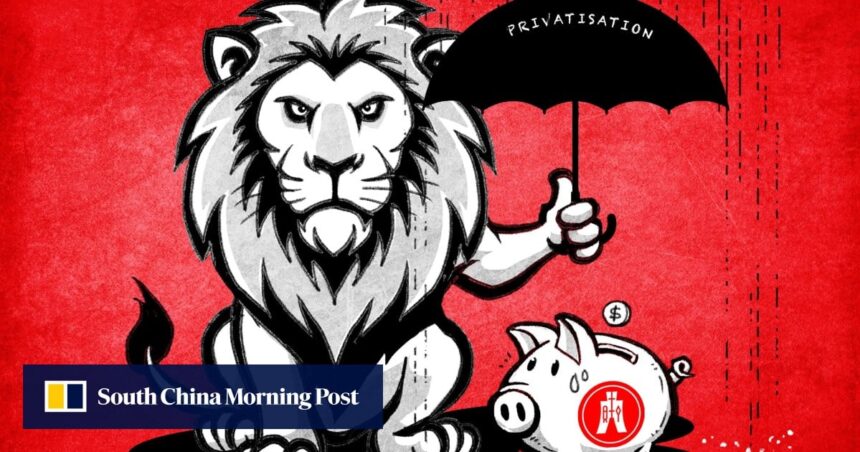
Following an overwhelming shareholder vote on January 8, which approved the historic privatisation deal for Hang Seng Bank, significant questions linger regarding the bank’s future, its stakeholders, and the overall financial landscape in Hong Kong. The deal, valued at HK$106.16 billion (US$13.6 billion), sees HSBC Holdings acquiring the 37 percent stake it does not already own in Hang Seng Bank.
For shareholders like Cecilia Ko, who has a long-term investment in Hang Seng Bank, the immediate concern is how to navigate the financial windfall from this transaction. Ko has invested in the bank primarily for its high dividend yields and fears that the upcoming delisting of Hang Seng may restrict investment options within the banking sector, particularly for institutions focused on the local and mainland Chinese markets.
The contrasting business strategies between HSBC, which operates with a global lens, and Hang Seng Bank, traditionally centred on Hong Kong and China, underscore the complexities ahead. Stakeholders must consider not only the integration of operations but also the preservation of distinct brand identities that have contributed to each bank’s legacy.
Industry analysts foresee substantial restructuring for both HSBC and Hang Seng in the near future, aimed at enhancing operational efficiencies, reducing costs, and leveraging synergies between the two entities. Key challenges include the growing issue of bad debts at Hang Seng Bank, which must be addressed to ensure the merged entity’s financial stability.
Allan Zeman, a prominent business figure and founder of the nightlife district Lan Kwai Fong, commented on this broader trend where controlling shareholders seek to streamline operations and enhance control over their investments. As both banks prepare for this transformative phase, stakeholders are left in a state of uncertainty regarding the implications for customer service, brand identity, and future investment strategies.